

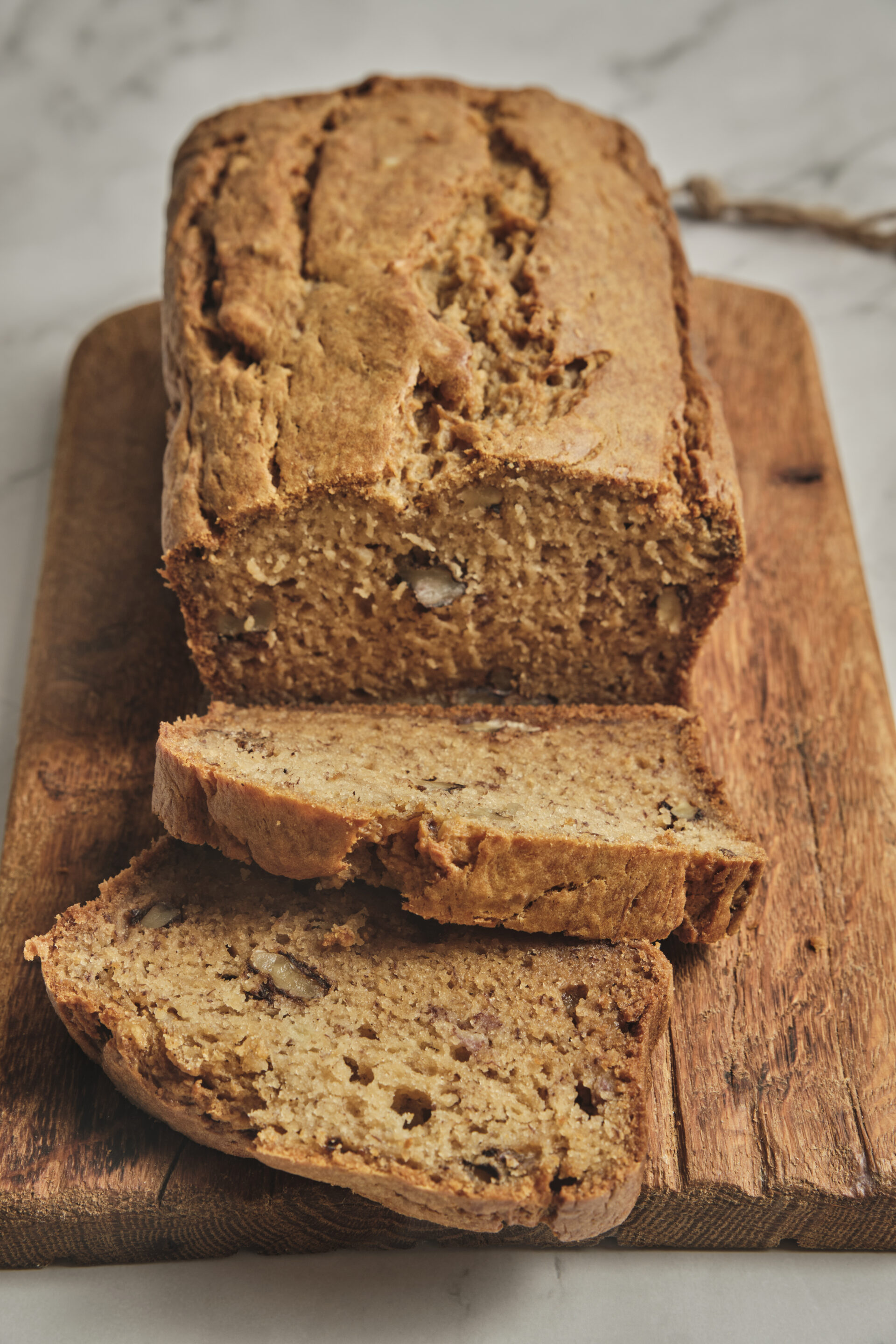
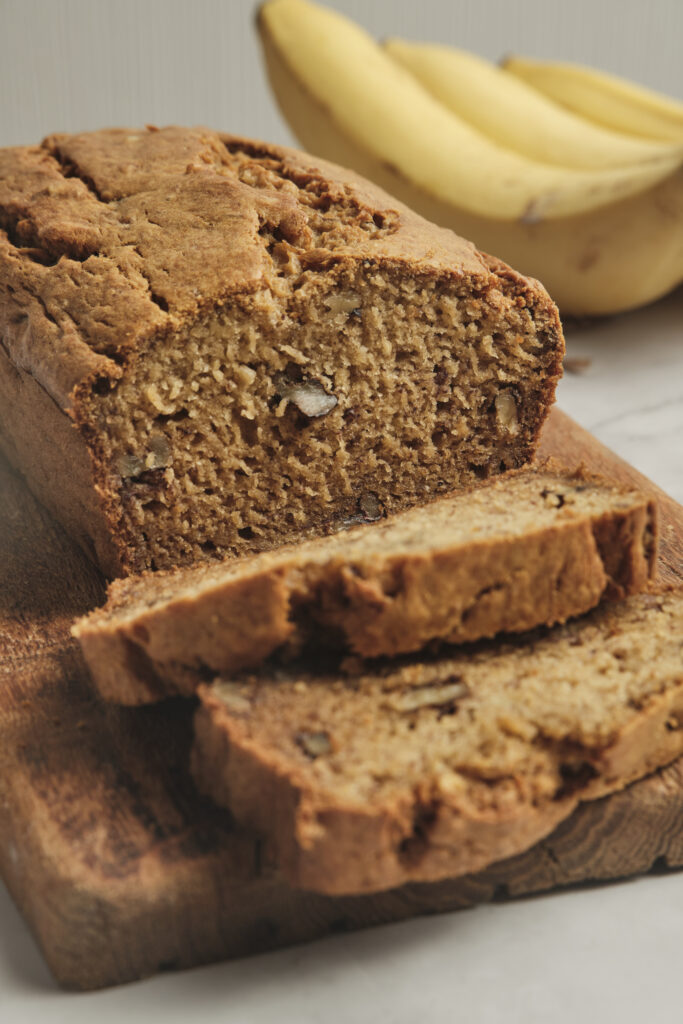
Soft, Sweet, and Comforting
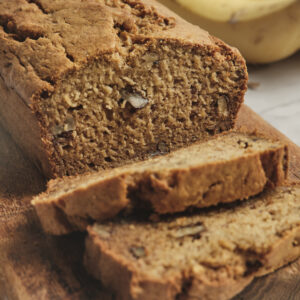
There are recipes that feel like home, no matter where you are—and for me, banana bread is one of them. The smell of ripe bananas baking in the oven, slowly turning into something warm and comforting, is something I never get tired of.
As a chef, I love recipes that transform simple, everyday ingredients into something truly special. Banana bread is exactly that. It’s forgiving, reliable, and incredibly satisfying to make. And once you understand a few key techniques, you’ll get a perfectly moist loaf every single time.
Why You’ll Love This Moist Banana Bread
- Incredibly moist: Soft crumb with just the right amount of richness.
- Simple ingredients: Made with pantry staples and ripe bananas.
- Easy to make: No complicated steps—perfect for beginners and experienced bakers alike.
- Versatile: Enjoy it plain, toasted, or dressed up with your favorite toppings.
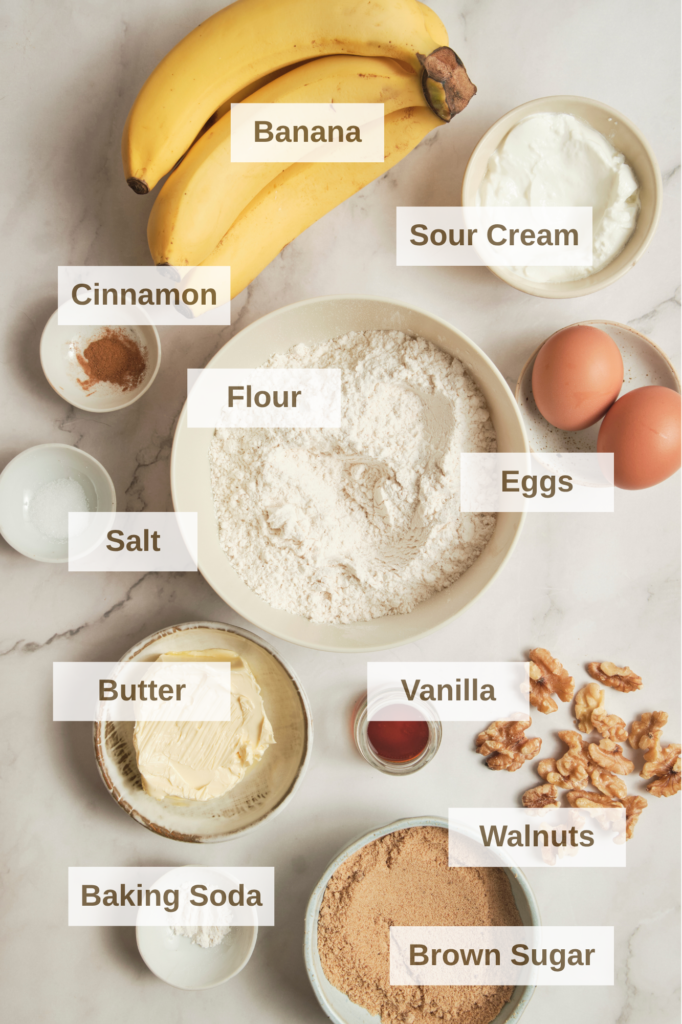
Key Ingredients
- Ripe bananas – The riper, the better. I always wait until the skins are deeply speckled or even slightly brown. This is where the sweetness and flavor really develop.
- Flour – Provides structure. I like to keep it simple with all-purpose flour for a soft, tender crumb.
- Butter – Adds richness and moisture. Melted butter gives a deeper flavor, while oil makes the loaf extra soft.
- Sugar – Sweetens and helps create that golden crust. I often use a mix of white and brown sugar for depth.
- Eggs – Bind everything together and add structure to the bread.
- Baking soda – Helps the loaf rise and become light while still staying moist.
- Salt – A small but essential ingredient that enhances all the flavors.
- Vanilla extract – Adds warmth and rounds out the sweetness beautifully.
Why This Most Banana Bread Works
A great banana bread is all about moisture, balance, and control—and this recipe delivers on all three.
- Very ripe bananas bring natural sweetness and deep flavor
- A well-balanced fat ratio keeps the crumb soft and tender
- Gentle mixing prevents the bread from becoming dense
- Proper baking time ensures a moist interior without being undercooked
- Simple pantry ingredients come together into a reliable, consistent result
Because everything is done with intention, this loaf stays moist for days and develops even more flavor over time.
How to make Moist Banana Bread
Take a look at the step-by-step photos below for a visual guide to the process. You’ll find the complete written recipe along with helpful tips in the recipe card further down the page.
Prepare your oven and pan
Start by preheating your oven to 175°C (350°F). Line your loaf pan with parchment paper or lightly grease it.
As a chef, I always prepare everything first—this way, once the batter is ready, it goes straight into the oven without delay.
Mash the bananas
Place your ripe bananas in a large bowl and mash them with a fork until mostly smooth.
A few small lumps are perfectly fine—they create a more natural texture and remind you this is homemade.
Cream the butter and sugar, then build the base
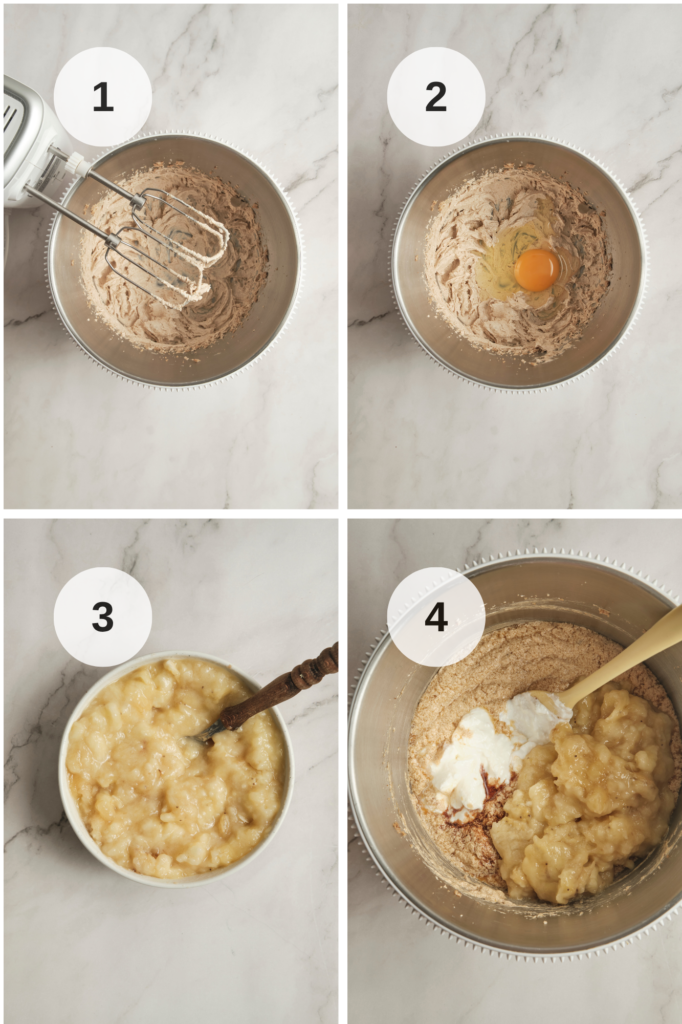
In a separate bowl, whisk the softened butter with the brown sugar until smooth and slightly creamy. Then add the mashed bananas, eggs, and vanilla extract, and whisk until fully combined.
This step helps dissolve the sugar and creates a richer, more structured base, giving your banana bread a deeper flavor and softer crumb (Photos 1- 4).
Mix the dry ingredients separately
In another bowl, combine flour, baking soda, and salt.
This step ensures even distribution, so your banana bread rises uniformly without pockets of baking soda.
Combine gently
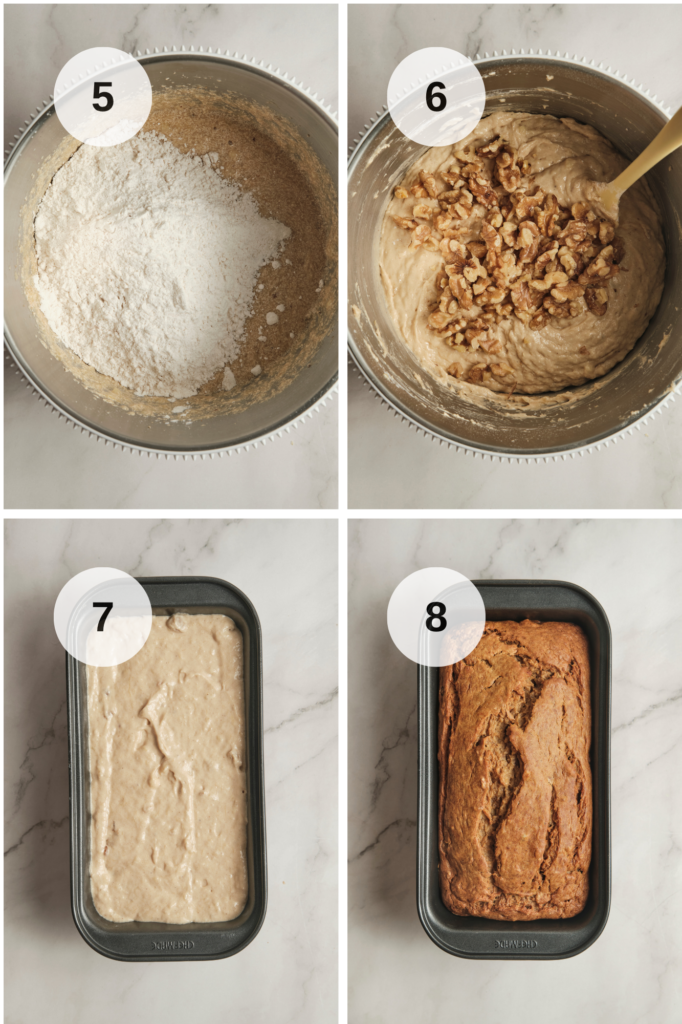
Add the dry ingredients and chopped walnuts to the wet mixture and fold gently with a spatula.
This is where restraint matters—mix just until combined. Overmixing will make the bread dense instead of soft and tender.
Transfer to the pan
Pour the batter into your prepared loaf pan and smooth the top lightly.
Don’t press it down—keep the batter airy so it bakes into a soft crumb.
Bake with attention
Bake for 50–55 minutes. Around the 45-minute mark, start checking. Insert a toothpick into the center—it should come out clean or with a few moist crumbs (Photos 5- 8).
Every oven behaves slightly differently, so rely on visual and texture cues, not just time.
Let it rest and set
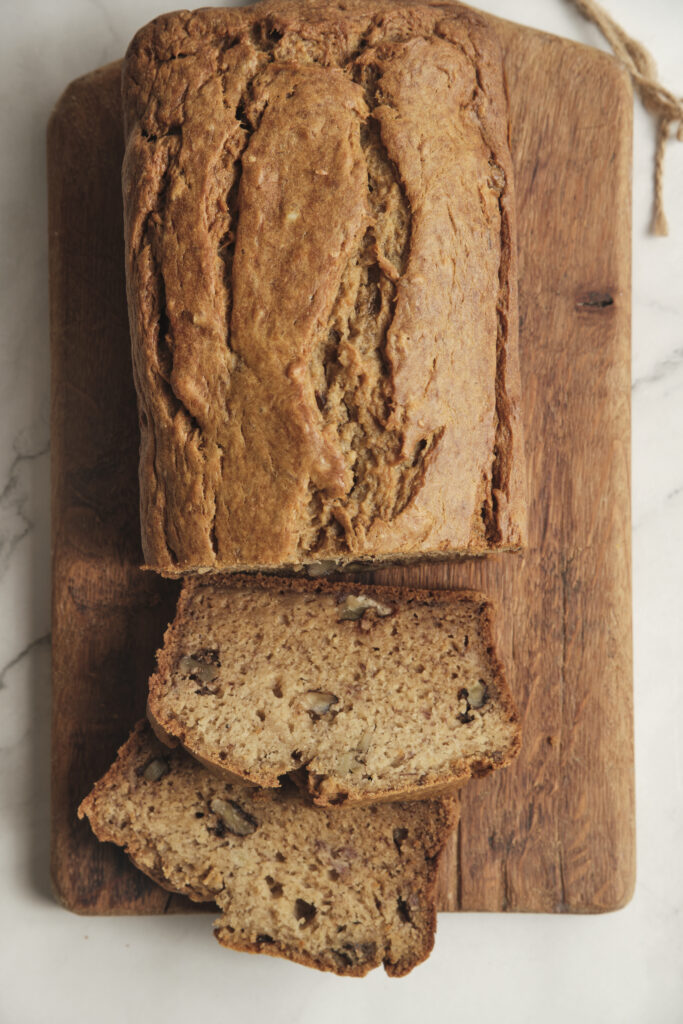
Allow the bread to cool in the pan for about 10 minutes, then transfer it to a rack to cool completely.
This resting time is essential—the crumb finishes setting, and the flavors deepen. Cutting too early will make it feel underbaked.
Mastering Moist Banana Bread (Chef’s Insight)
A truly moist banana bread is not about adding more ingredients—it’s about understanding how moisture behaves.
Bananas release a lot of natural liquid during baking. As they cook, that moisture blends with fat and sugar to create a soft, tender crumb. However, balance is key. Too much mixing develops gluten, which makes the bread dense instead of soft.
Another important step is temperature control. Baking at a moderate heat allows the loaf to cook evenly without drying out the edges. Additionally, letting the bread rest after baking is essential—this is when the crumb settles and moisture redistributes throughout the loaf.
This is where a simple banana bread becomes a refined, bakery-quality result.
From my Kitchen (Chef’s Notes)
Use very ripe bananas
This is the most important step. The darker the bananas, the more flavor and natural sweetness you’ll get.
Do not overmix
Overmixing develops gluten and makes the bread dense. Fold gently and stop early.
Control the moisture
If your bananas are very large, you may need slightly more flour. The batter should be thick but pourable.
Check doneness properly
Insert a toothpick into the center—if it comes out clean or with just a few crumbs, it’s ready.
Let it rest
Banana bread actually tastes better after resting. The flavors settle, and the crumb becomes even softer.
Variations & Substitutions
- Add walnuts or pecans for crunch
- Fold in chocolate chips for a richer version
- Use brown sugar for a deeper caramel note
- Swap part of the flour with whole wheat for a more rustic texture
- Add cinnamon or nutmeg for warmth
- Replace butter with oil for extra moisture
- Use yogurt or sour cream for a softer crumb
How to Serve Moist Banana Bread
Breakfast
Banana bread is one of my favorite ways to start the day. I like to serve it slightly warm, either plain or with a thin layer of butter that melts into the crumb. If you want to take it a step further, add a drizzle of honey or a spoon of yogurt on the side. It’s simple, nourishing, and feels a little special without any extra effort.
As a Snack
This is where banana bread really shines. A thick slice in the afternoon with a cup of coffee or tea is something I come back to again and again. The natural sweetness of the bananas makes it satisfying on its own, but you can also add a smear of nut butter for extra richness and texture.
Light Dessert
For a more dessert-like experience, lightly toast a slice in a pan or toaster until the edges are just crisp. Serve it warm with a scoop of vanilla ice cream or a spoonful of crème fraîche. The contrast between warm and cold, soft and creamy, creates a beautiful balance.
Elevate with Toppings
Think of banana bread as a base you can build on. Add chopped nuts for crunch, chocolate chips for indulgence, or a sprinkle of cinnamon for warmth. Even a handful of berries on the side can bring freshness and contrast. As a chef, I always look for ways to add texture and layers without complicating the recipe.
On the Go
Slice it and take it with you. It travels well, doesn’t need refrigeration for a day or two, and makes a great snack during busy days. I often wrap individual slices—it’s practical, but still feels homemade and thoughtful.
How to Store
- Room temperature: Store in an airtight container for up to 3 days.
- Refrigerator: Keeps fresh for up to 5 days, though best enjoyed at room temperature.
- Freezer: Slice and freeze for up to 2 months. Simply thaw or toast when needed.
FAQ
How ripe should bananas be for banana bread?
They should be very ripe with dark spots or even mostly brown skins. This is when they are sweetest and provide the most moisture.
Why is my banana bread dense?
Overmixing is usually the cause. Once flour is added, mix gently to avoid developing too much gluten.
How do I know when banana bread is done?
Insert a skewer into the center—if it comes out clean or with a few moist crumbs, it’s ready.
Can I freeze banana bread?
Yes, it freezes very well. Wrap it tightly and store for up to 3 months.
How can I make it extra moist?
Use very ripe bananas and avoid overbaking. You can also add a small amount of yogurt or extra banana.
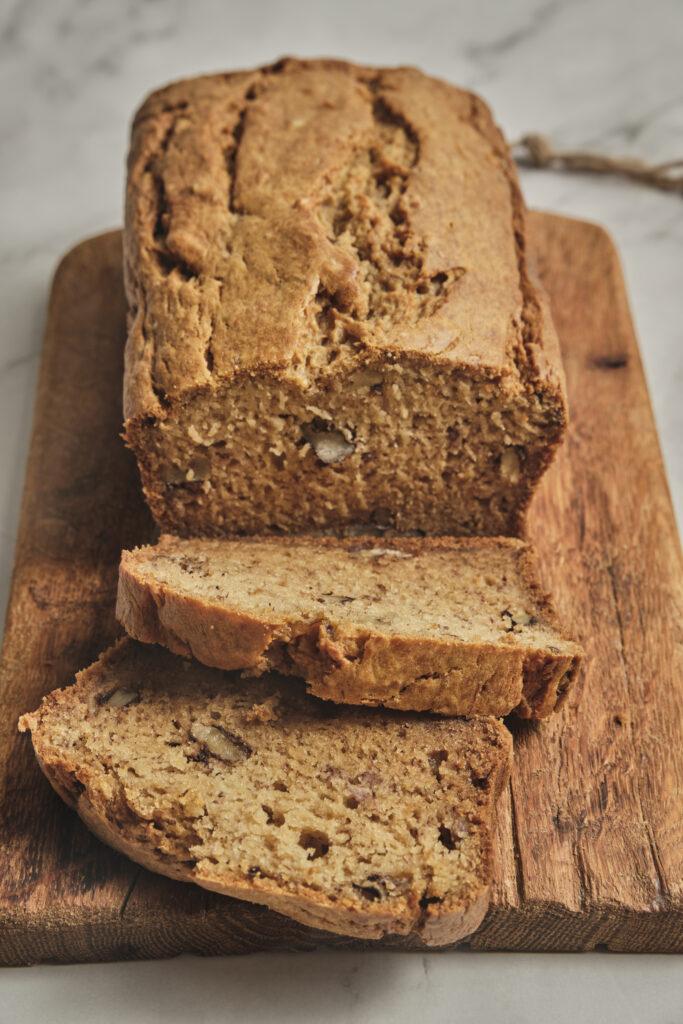
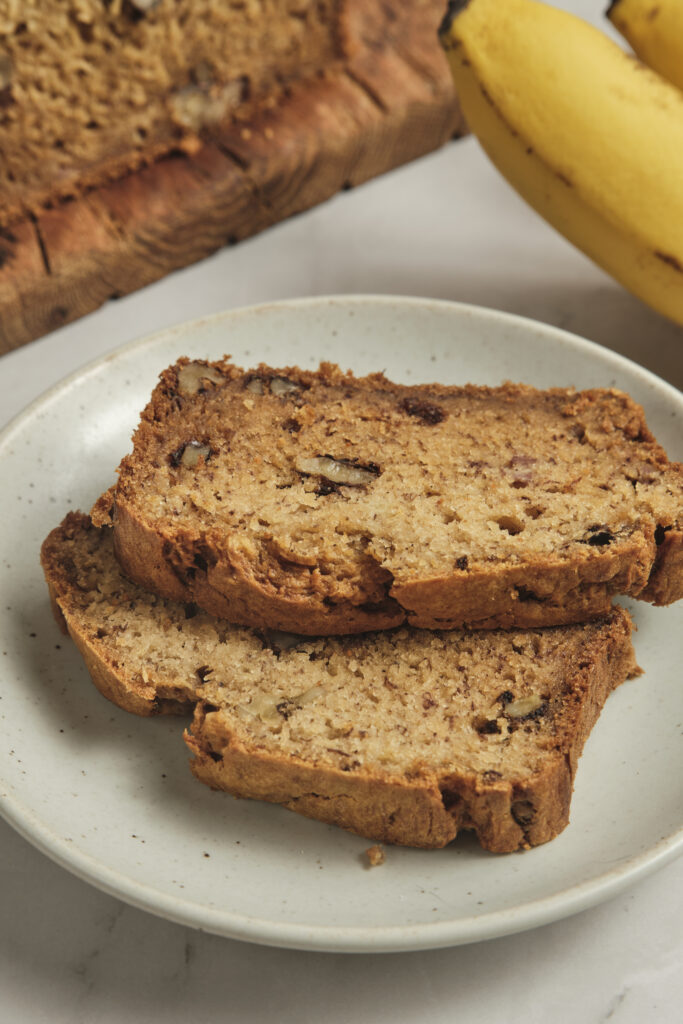
This Moist Banana Bread is a perfect example of how simple ingredients can create something deeply satisfying when handled with care. It’s a recipe I come back to often—reliable, adaptable, and always rewarding.
If you’re looking for more recipes built with the same approach, explore dishes like my fettuccine alfredo, beef udon noodles stir fry, or vegan chickpea coconut curry—each one focused on balance, technique, and flavor.
More Bread Recipes to Try
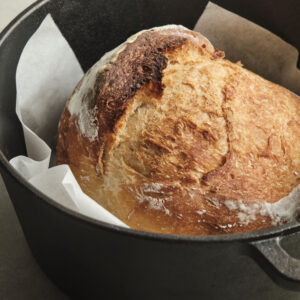
If you enjoy simple, comforting bakes like this moist banana bread, you might also like exploring my other bread recipes on the blog, like my classic German pretzel or an easy no-knead bread. Each one follows the same approach: simple ingredients, thoughtful technique, and reliable, bakery-style results at home.
Be sure to check out:

Moist Banana Bread
Ingredients
- 1 1/2 cups all-purpose flour
- 1 tsp baking soda
- 1/4 tsp salt
- 1/4 tsp cinnamon powder
- 1/2 cup unsalted butter at room temperature
- 3/4 cup dark brown sugar
- 2 large eggs at room temperature
- 1/3 cup greek yogurt or sour cream
- 1 1/2 cups mashed bananas (about 3 ripe bananas)
- 1 tsp vanilla extract
- 3/4 cup chopped walnuts
Instructions
- Preheat your oven to 175°C (350°F) and lightly grease a loaf pan (9 inch x 5 inch) to prevent sticking.
- In a large bowl, mash the ripe bananas with a fork until mostly smooth, leaving a few small lumps for a more natural texture.Chef tip: The riper the bananas, the sweeter and more flavorful your bread will be.
- In a separate bowl, whisk the softened butter with the brown sugar until smooth and slightly creamy, ensuring the sugar begins to dissolve.
- Add the eggs one at a time, whisking well after each addition, then mix in the mashed bananas and vanilla extract until fully combined.Chef tip: Adding the eggs gradually helps create a smoother, more stable batter.
- In another bowl, mix the flour, baking soda, and salt to ensure even distribution before adding to the batter.
- Fold the dry ingredients and chopped walnuts into the wet mixture using a spatula, mixing just until combined. Chef tip: Avoid overmixing—this keeps the crumb soft and tender rather than dense.
- Pour the batter into the prepared loaf pan and gently smooth the top without pressing it down.
- Bake for 50–55 minutes, or until a toothpick inserted into the center comes out clean or with a few moist crumbs attached.Chef tip: Start checking a few minutes early, as every oven bakes slightly differently.
- Allow the banana bread to cool in the pan for about 10 minutes, then transfer it to a wire rack to cool completely before slicing.
Notes
- Use very ripe bananas
The darker and more spotted the bananas, the sweeter and more flavorful your bread will be. This is key for a moist result. - Do not overmix the batter
Mix just until the flour is incorporated. Overmixing develops gluten and will make the bread dense instead of soft and tender. - Add eggs one by one
Incorporating the eggs gradually helps create a smooth, stable batter and improves the final texture. - Check doneness properly
Insert a toothpick into the center—if it comes out clean or with a few moist crumbs, the bread is ready. Avoid overbaking to keep it moist. - Let it cool before slicing
Allow the bread to rest after baking. This helps the crumb set properly and prevents it from becoming gummy.