

A Simple Side That Always Finds Its Way Back
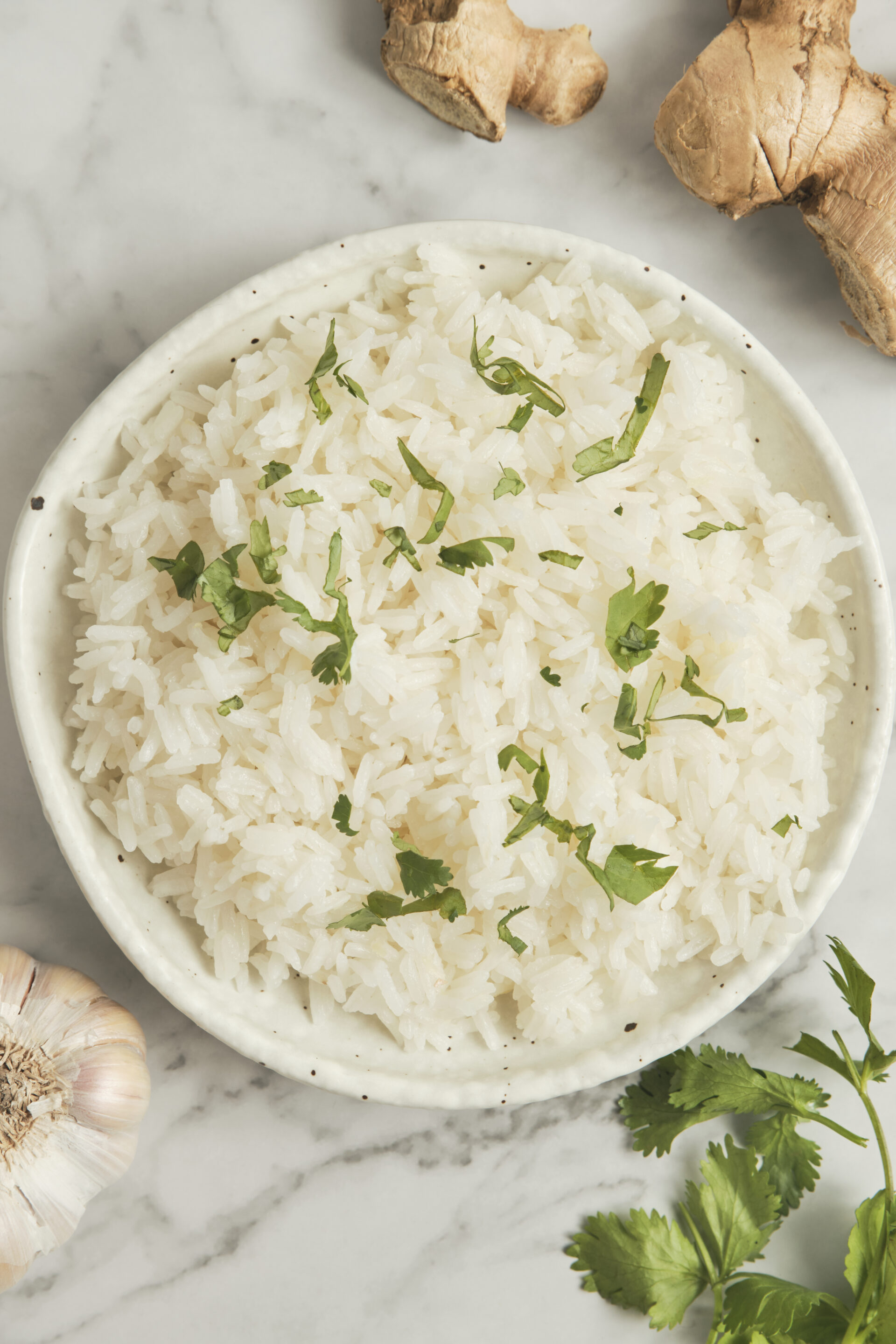
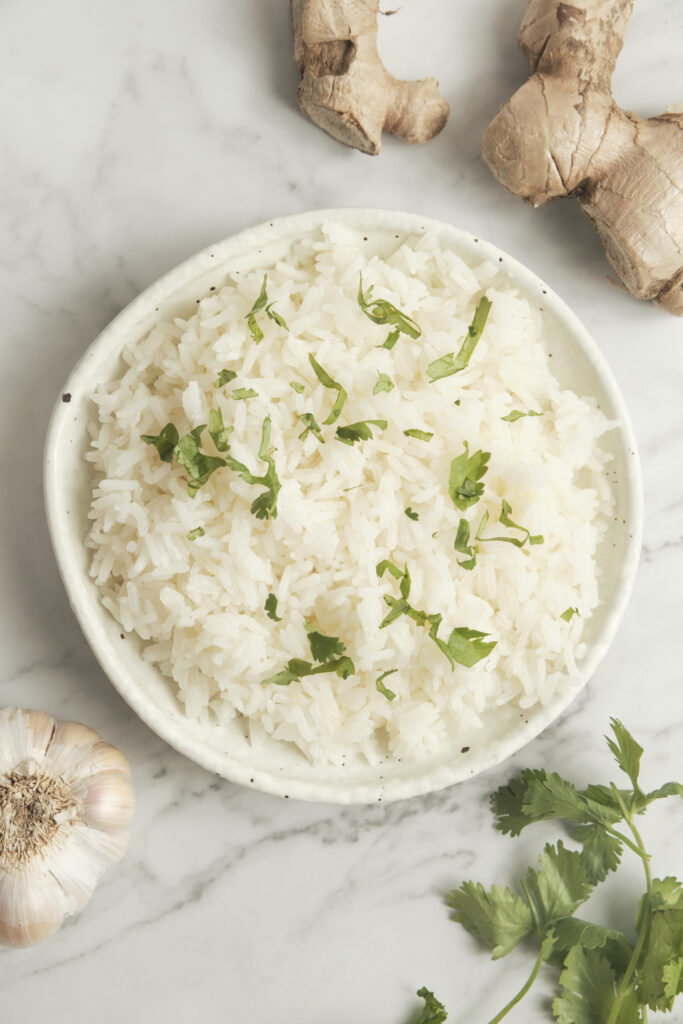
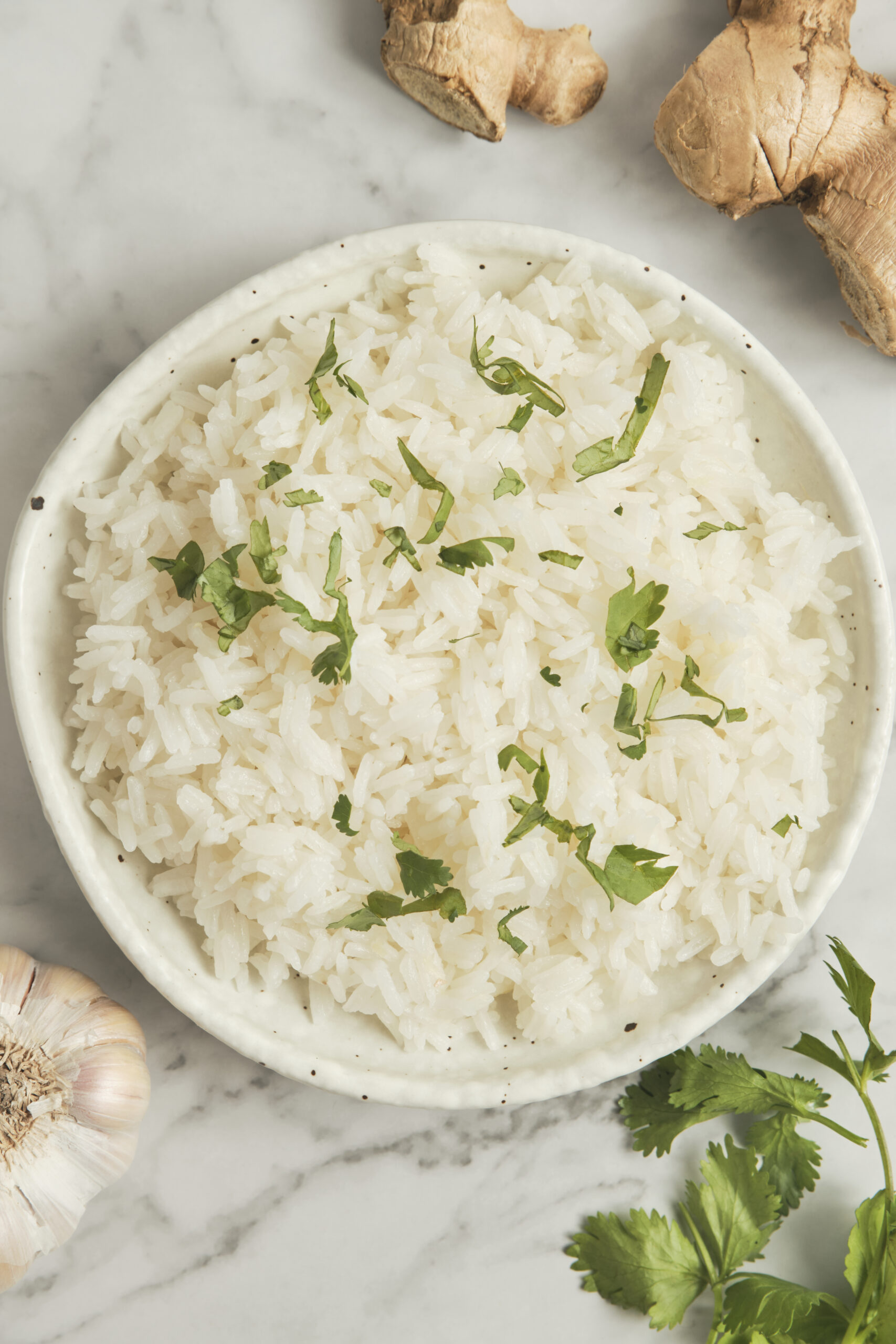
Ginger rice is one of those simple dishes that quietly transforms a meal. It’s something I often make when plain rice feels like it’s missing just a bit of character—nothing complicated, just a small adjustment that makes everything taste more complete.
Have you ever noticed how a subtle aroma can change the entire experience at the table? That’s exactly what fresh ginger does here. It brings warmth, depth, and a gentle spice that turns everyday rice into something far more inviting, while still keeping it light and balanced.
Why You’ll Love This Easy Ginger Rice
Sometimes it’s the smallest additions that make the biggest difference in a meal. Ginger rice is one of those recipes that feels effortless, yet adds a layer of flavor that ties everything together. It’s the kind of side dish that works just as well with something rich like beef udon noodles as it does with lighter, comforting dishes like vegan chickpea coconut curry. Once you start making it, it quickly becomes a natural part of your routine.
A great way to upgrade plain rice without extra effort
- It’s simple but adds a noticeable depth of flavor
- Comes together with minimal ingredients
- Works with a wide range of dishes
- The aroma alone makes it feel more special
- Easy to prepare, even on busy days
What I like about this recipe is how it fits into everyday cooking. You’re not changing the process dramatically, just adding a step that brings more depth and aroma. The ginger gently infuses the rice as it cooks, creating something that feels more intentional without adding extra effort.
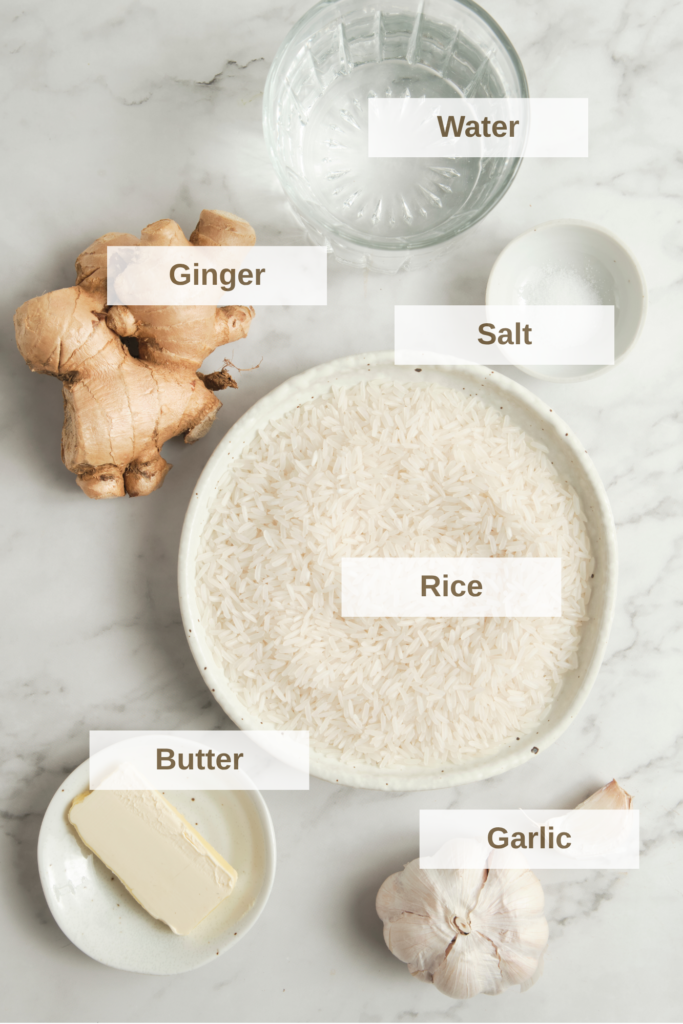
Key Ingredients for Easy Ginger Rice
Rice
The base of the dish. Long-grain rice like jasmine or basmati works best for a light, fluffy texture.
Fresh Ginger
The key ingredient that defines the dish. It adds warmth, aroma, and a subtle spice that transforms the rice. Fresh ginger is essential for the best flavor.
Garlic
Adds depth and a savory backbone that supports the ginger without overpowering it.
Oil or Butter
Helps carry flavor and creates a smoother, more balanced finish.
Why This Ginger Rice Works
- Fresh ginger infuses the rice with a warm, aromatic flavor
- Cooking rice in stock instead of water builds deeper taste
- Gentle sautéing releases the natural oils of ginger
- Balanced seasoning keeps it light but flavorful
- Fluffy rice absorbs flavor without becoming heavy
Ginger rice is known for its fragrant, slightly spicy aroma and is commonly used to elevate simple rice dishes in many cuisines
This ginger rice works because it builds flavor at every small step without complicating the process. Instead of relying on heavy seasoning at the end, the aroma and depth are created from the beginning when the ginger is gently cooked with the rice base. This allows the flavor to infuse evenly, giving every grain a subtle warmth.
The balance is what makes it successful. Fresh ginger brings brightness and gentle spice, while the rice stays light and fluffy, acting as the perfect carrier. Nothing feels overpowering, yet each bite has more character than plain rice.
How to make Easy Ginger Rice
Take a look at the step-by-step photos below for a visual guide to the process. You’ll find the complete written recipe along with helpful tips in the recipe card further down the page.
Rinse the rice
Wash the rice under cold water until clear to remove excess starch and ensure a fluffy texture.
Prepare the aromatics
Finely chop or grate the ginger and garlic.
Build the base
Heat oil or butter in a pan and gently sauté the ginger and garlic until fragrant.
Add the rice
Stir the rice into the aromatics, coating each grain lightly.
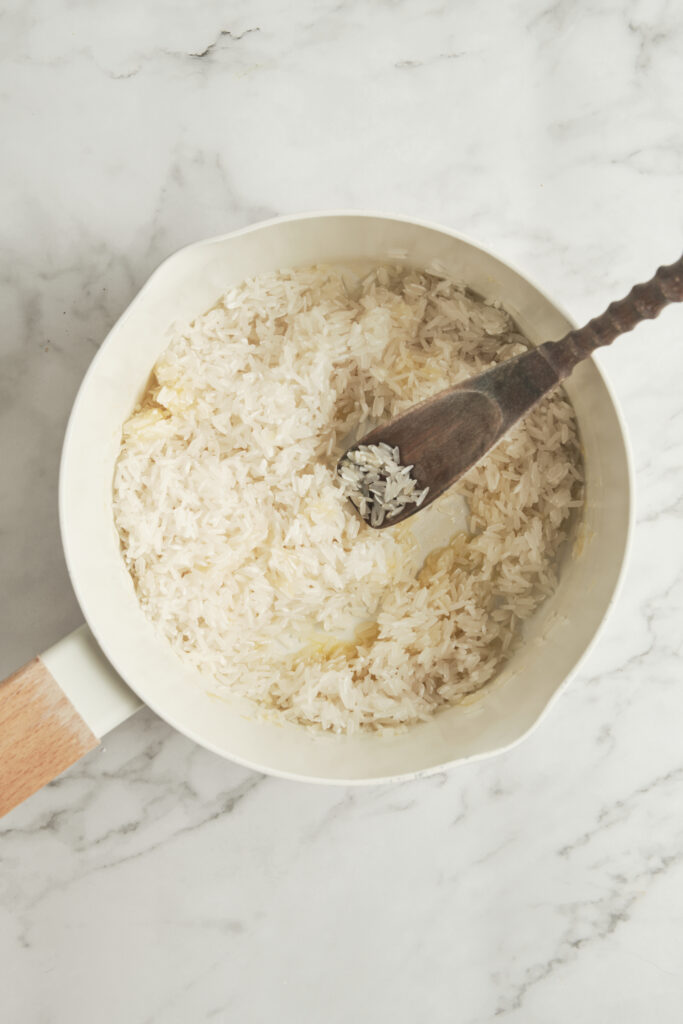
Cook the rice
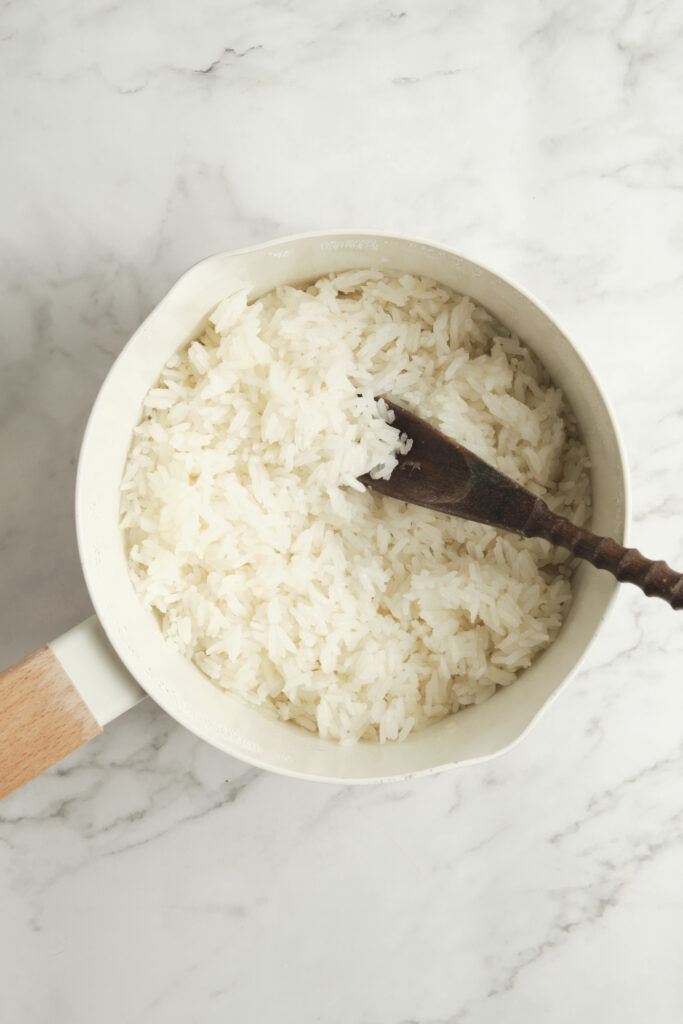
Add stock, bring to a simmer, cover, and cook until the liquid is absorbed.
Rest and fluff
Let the rice rest for a few minutes, then fluff with a fork before serving.
Small Details Make the Difference (Chef’s Insight)
Ginger rice is a perfect example of how technique matters more than complexity. It’s not about adding more ingredients—it’s about how you handle them.
If the ginger is burned, the dish turns bitter. If the rice is overworked, it becomes heavy. But when everything is done gently, the result is clean, fragrant, and balanced.
- Keep the heat moderate when cooking ginger
- Let the rice steam properly for texture
From my Kitchen (Chef’s Tips)
Use properly rinsed rice
Rinse the rice well before cooking to remove excess starch. This keeps the grains light, separate, and fluffy instead of sticky or heavy.
Keep the ginger fine and even
Finely chop or grate the ginger so it distributes evenly through the rice. Larger pieces can create uneven intensity and occasional bitterness.
Control the heat when cooking aromatics
Sauté ginger gently over medium or low heat. High heat can burn it quickly and turn the flavor harsh instead of fragrant.
Let the rice rest before serving
After cooking, allow the rice to sit covered for a few minutes. This helps the texture settle and makes it lighter when fluffed.
How to Serve
- Serve alongside grilled or roasted meat
- Pair with stir-fries or vegetable dishes
- Use as a base for bowls or light meals
- Works well with sauces that soak into the rice
How to Store
- Store in an airtight container in the refrigerator for up to 3 days
- Reheat gently with a splash of water to restore moisture
- Avoid overcooking when reheating to keep the texture light
FAQ
Can I use ground ginger instead of fresh?
Fresh ginger is strongly recommended, as it provides a brighter and more aromatic flavor. Ground ginger tends to be milder and less complex.
What type of rice works best?
Long-grain rice like jasmine or basmati gives the best fluffy texture and absorbs flavor well.
Can I make ginger rice ahead of time?
Yes, it stores well and can be reheated, though it’s best freshly made for optimal texture.
Why does my ginger taste bitter?
It was likely cooked at too high a heat. Ginger should be gently sautéed to avoid burning.
Can I make this in a rice cooker?
Yes, simply add the sautéed ginger and garlic to the rice cooker with the rice and liquid, then cook as usual.
More Side Dishes to Try
If you enjoy simple sides like this ginger rice, there are a few other recipes on the blog that follow the same idea—minimal ingredients, clean flavors, and easy preparation.
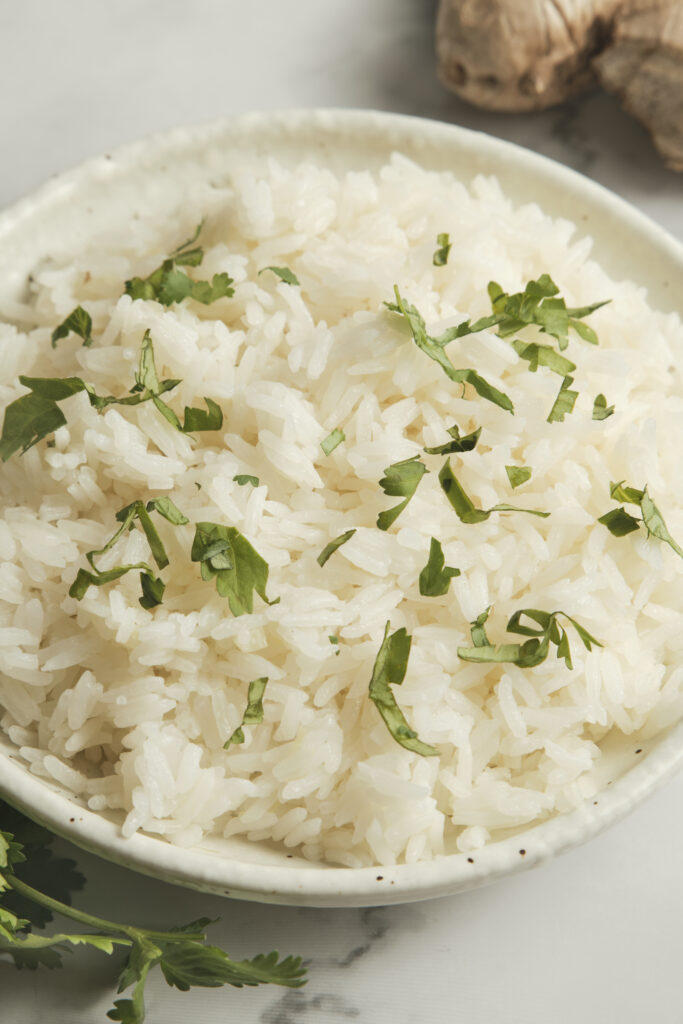
Try something fresh and light like bok choy, which works perfectly alongside rice dishes and adds a clean, green balance to the plate. For something more comforting, roasted pumpkin brings natural sweetness and depth, making it a great pairing for savory mains or grain-based sides.

Easy Ginger Rice
Ingredients
Method
- Rinse the rice under cold water until the water runs clear, then drain well.
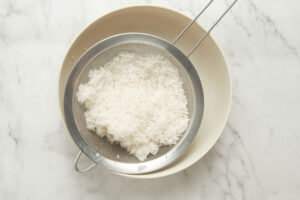
- Heat a little oil in a pot over medium heat and gently cook the ginger and garlic until fragrant.

- Add the rice and stir to coat it in the ginger, garlic and oil.
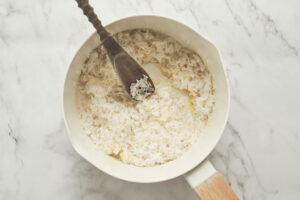
- Pour in water or stock, season with salt, and bring to a simmer.
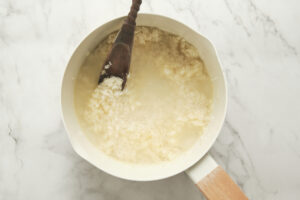
- Cover and cook on low heat until the liquid is absorbed and the rice is tender.
- Remove from heat and let it rest for a few minutes before fluffing with a fork and serving.
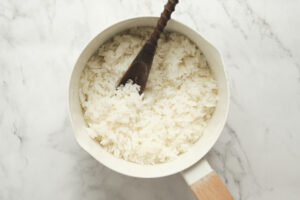
Notes
- This recipe can easily be made in a rice cooker. Simply sauté the ginger first in a pan, then add it to the rice cooker with rinsed rice, liquid, and salt, and cook as usual.
- For extra aroma, use stock instead of water to cook the rice.
- Adjust the amount of ginger depending on how strong you want the flavor.
- Always let the rice rest for a few minutes after cooking for the best texture.
- Store leftovers in an airtight container in the refrigerator for up to 3 days.
- Reheat gently with a splash of water to bring back moisture and fluffiness.