


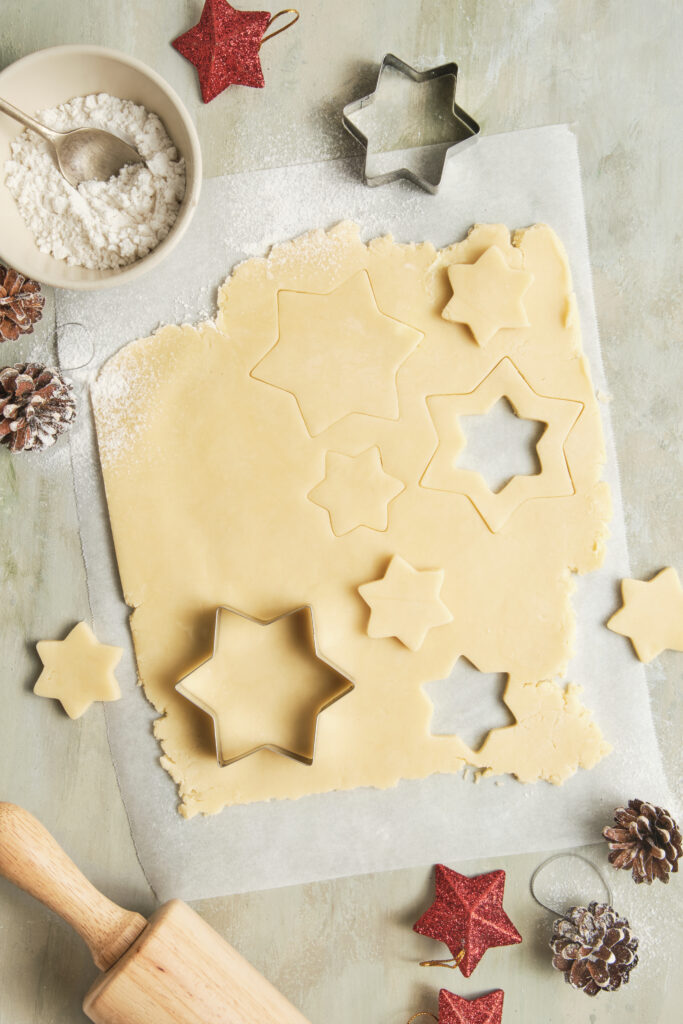
In my family, the Christmas season has always meant one thing: time to bake German Christmas cookies. As soon as the first Advent calendar door is opened, someone usually asks, “When are we baking the first cookies?” And honestly, I can’t blame them. The smell of freshly baked Plätzchen filling the kitchen is one of my favorite signs that Christmas is finally here.
Growing up in a German family, I learned that Christmas baking isn’t really about complicated recipes or fancy ingredients. It’s about gathering around the kitchen table, making a little mess, decorating cookies, and spending time together. Even those who don’t usually enjoy baking somehow get involved.
As a chef and baker, I’ve made plenty of more elaborate desserts, but I still come back to these simple German Christmas cookies every year. They remind me that sometimes the most traditional recipes are the ones that create the best memories. And for me, the real beginning of Christmas is that first warm cookie straight from the oven.

Why to trust this German Christmas Cookies Recipe
Tested & Reliable – A carefully developed recipe with clear, easy-to-follow instructions and dependable results.
Simple Ingredients – Made with everyday baking ingredients that are easy to find and work well together.
Perfect for Christmas – Classic, festive cookies with a delicious texture and a beautiful icing finish—ideal for gifting, sharing, or your Christmas cookie platter.
Key Ingredients
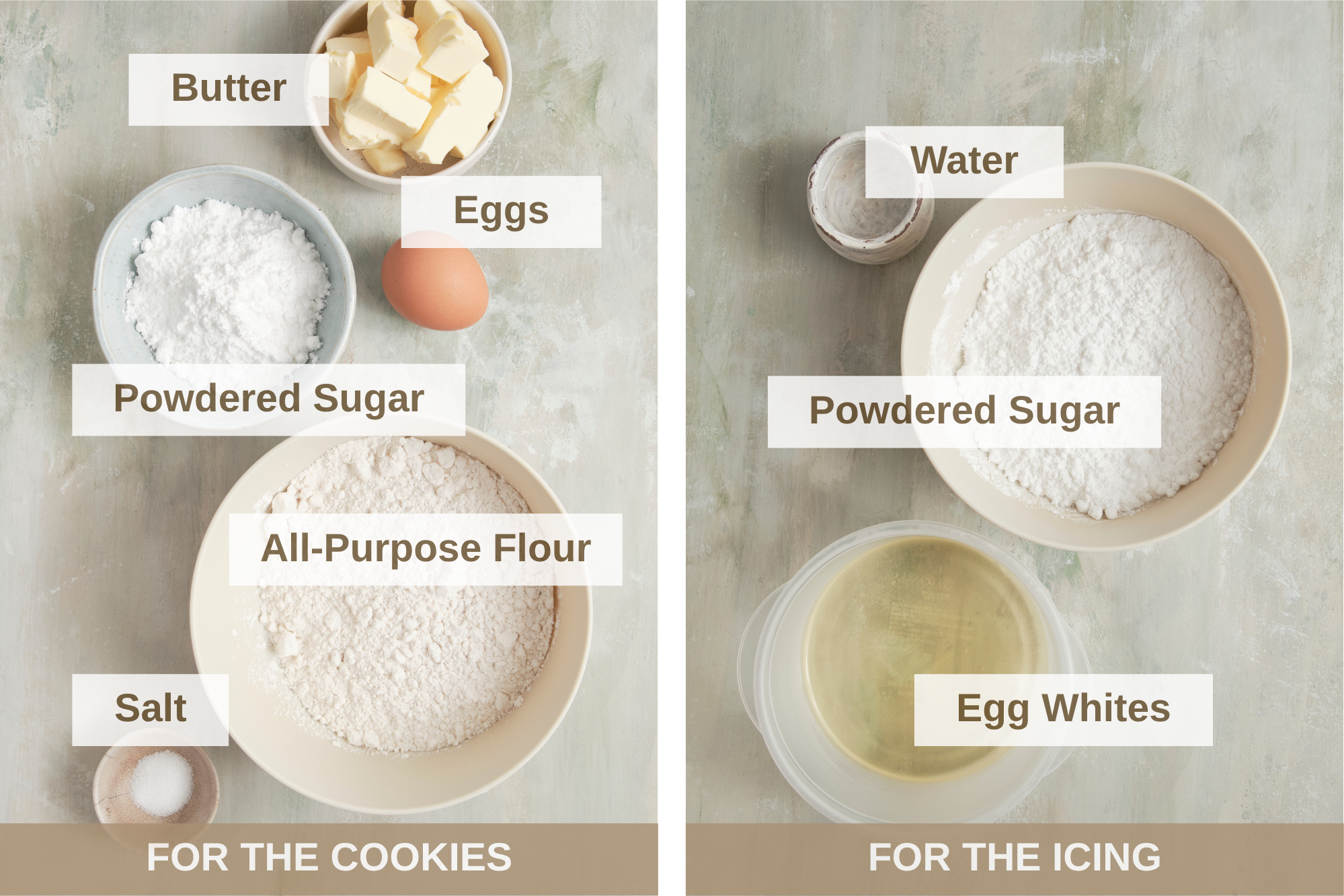
All-Purpose Flour – In my kitchen, I use all-purpose flour because it gives these cookies just the right structure while keeping them tender.
Butter – Good butter is essential for me—it adds that rich, buttery flavor and makes the cookies wonderfully tender.
Powdered Sugar – I prefer icing sugar for a fine, smooth texture and a delicate sweetness that works beautifully in these cookies.
Egg – I add the egg to bring everything together and give the dough a smooth, workable consistency.
Salt – Even in sweet cookies, I never skip the salt; it brings out the flavors and keeps the sweetness balanced.
How to make German Christmas Cookies
Make the Dough – Add the flour, powdered sugar, and salt to a large mixing bowl and mix to combine. Add the cold butter, cut into small cubes, and the egg. Mix everything until a smooth dough forms.
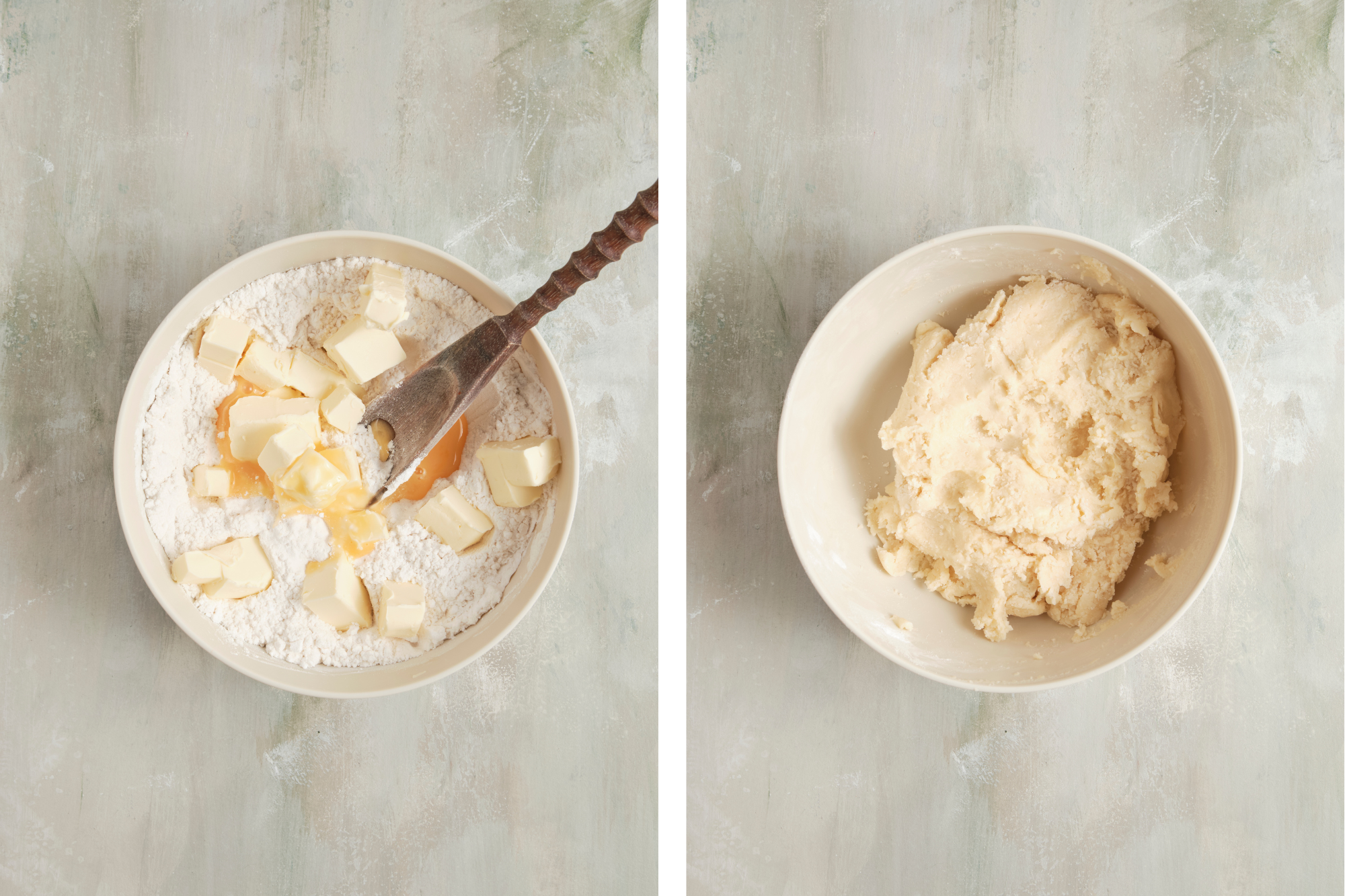
Knead and Chill – Knead the dough gently with your hands just until smooth. Be careful not to over-knead, as this can make the cookies tough. Wrap the dough and refrigerate for about 30 minutes.
Preheat the Oven – Preheat the oven to 350°F (180°C).
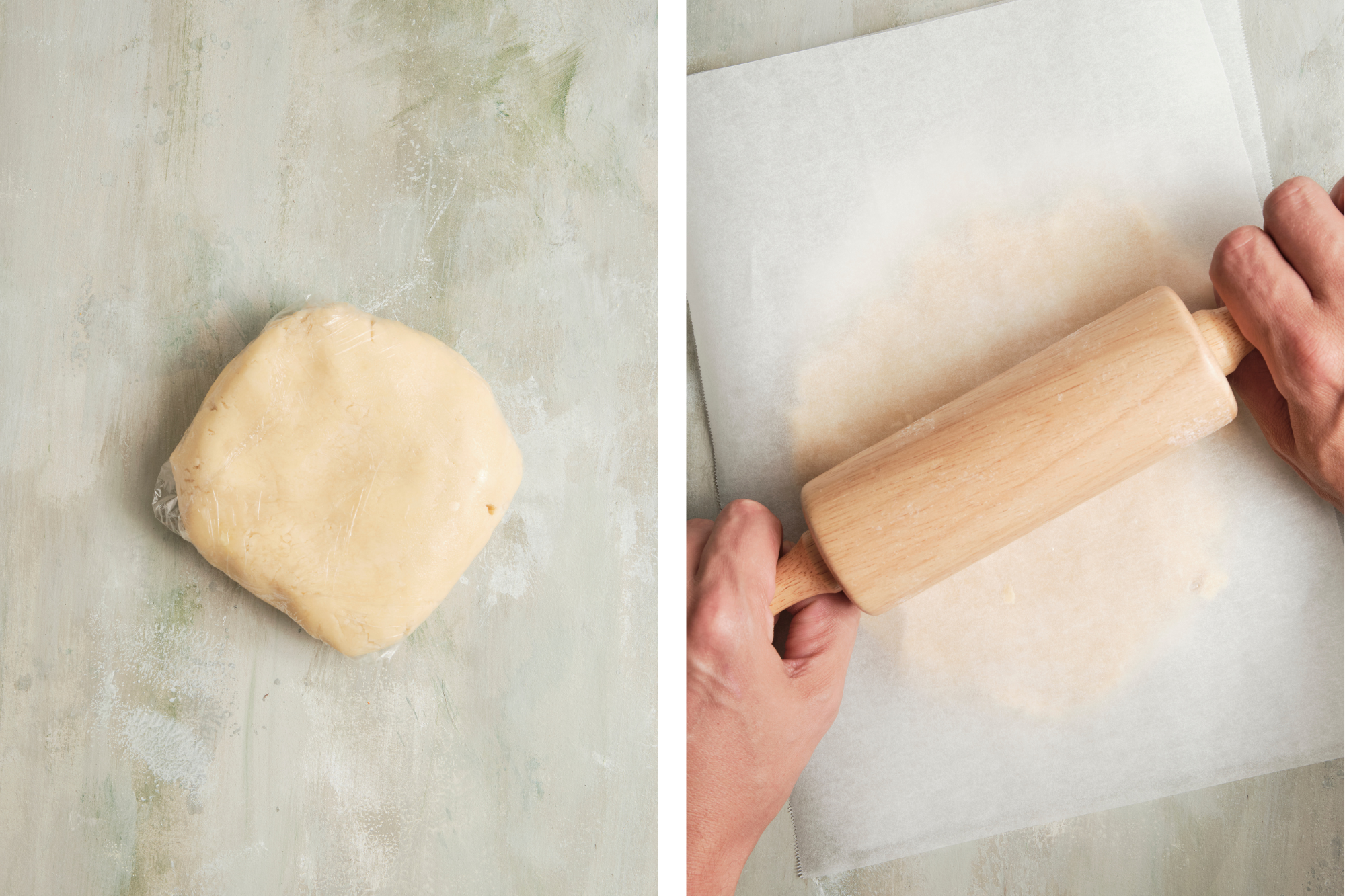
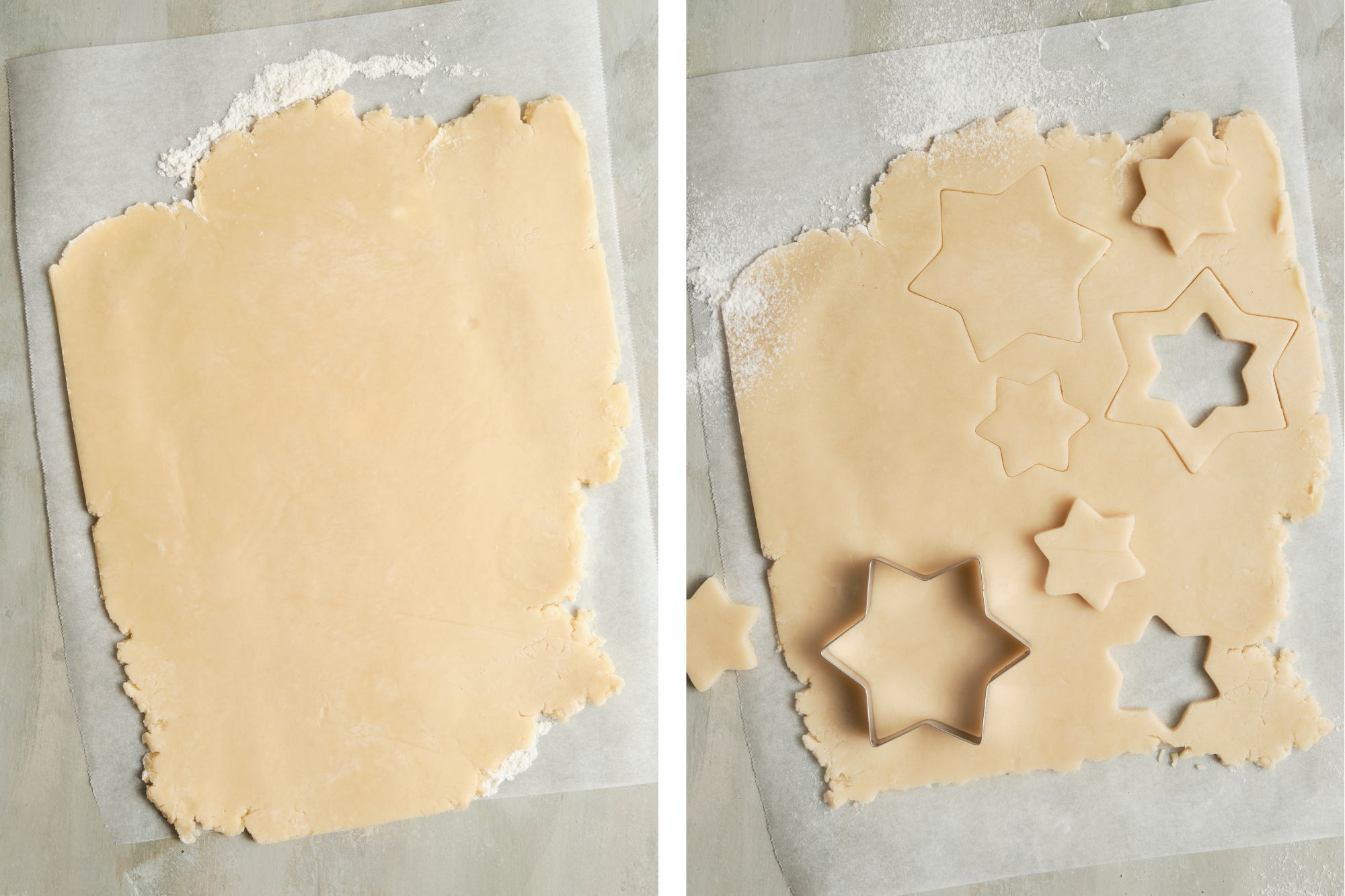
Roll Out the Dough – Lightly flour your work surface and roll out the chilled dough to about 1/4 inch (5–6 mm) thick. Use your favorite cookie cutters to cut out different shapes. Carefully transfer the cookies to a parchment-lined baking sheet, leaving a little space between each one. Gather any leftover dough, gently bring it back together, and roll it out again to cut more cookies.
Bake the Cookies
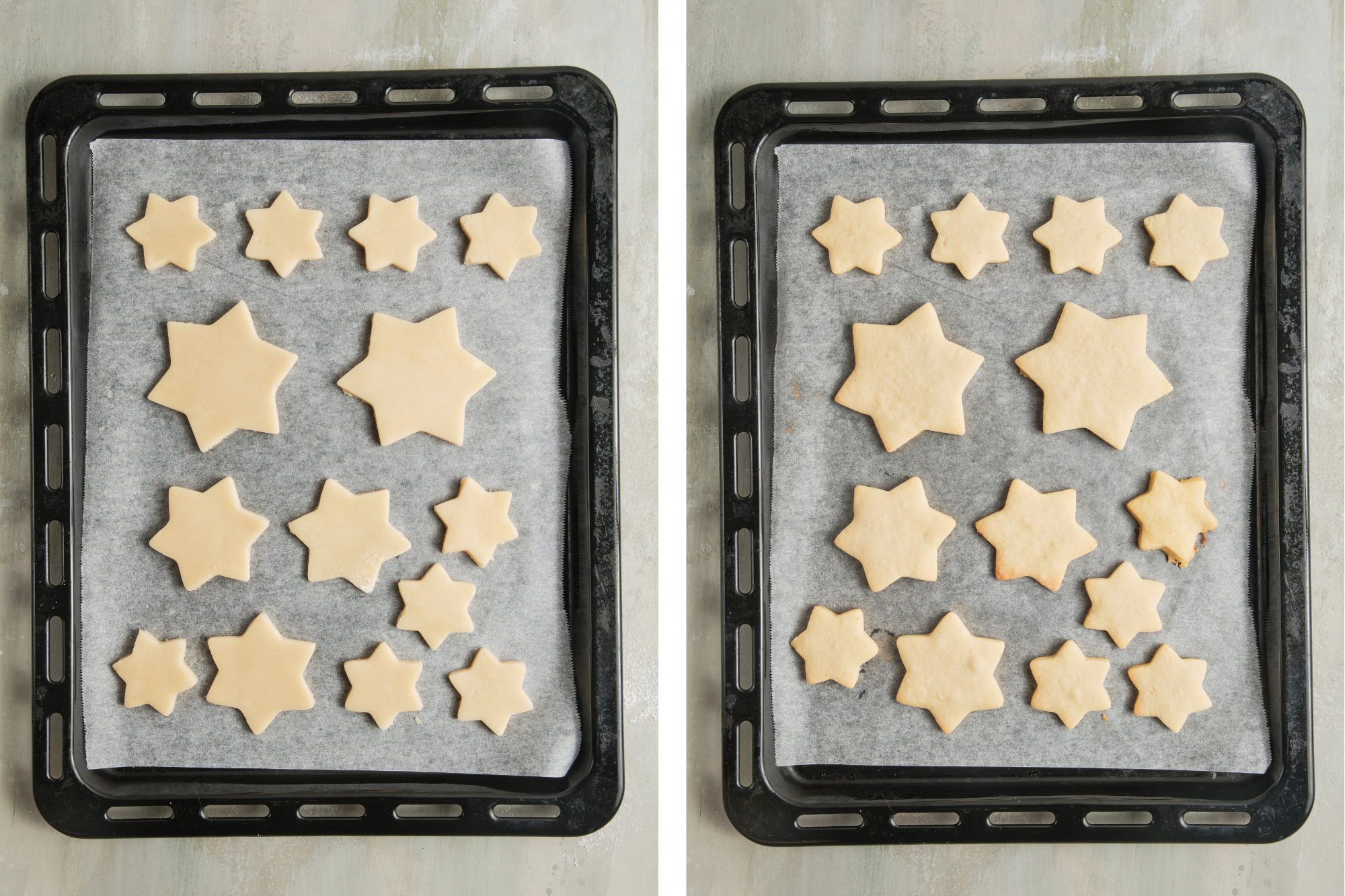
Bake the cookies for about 10 minutes, or until the edges are lightly golden.
Make the Icing
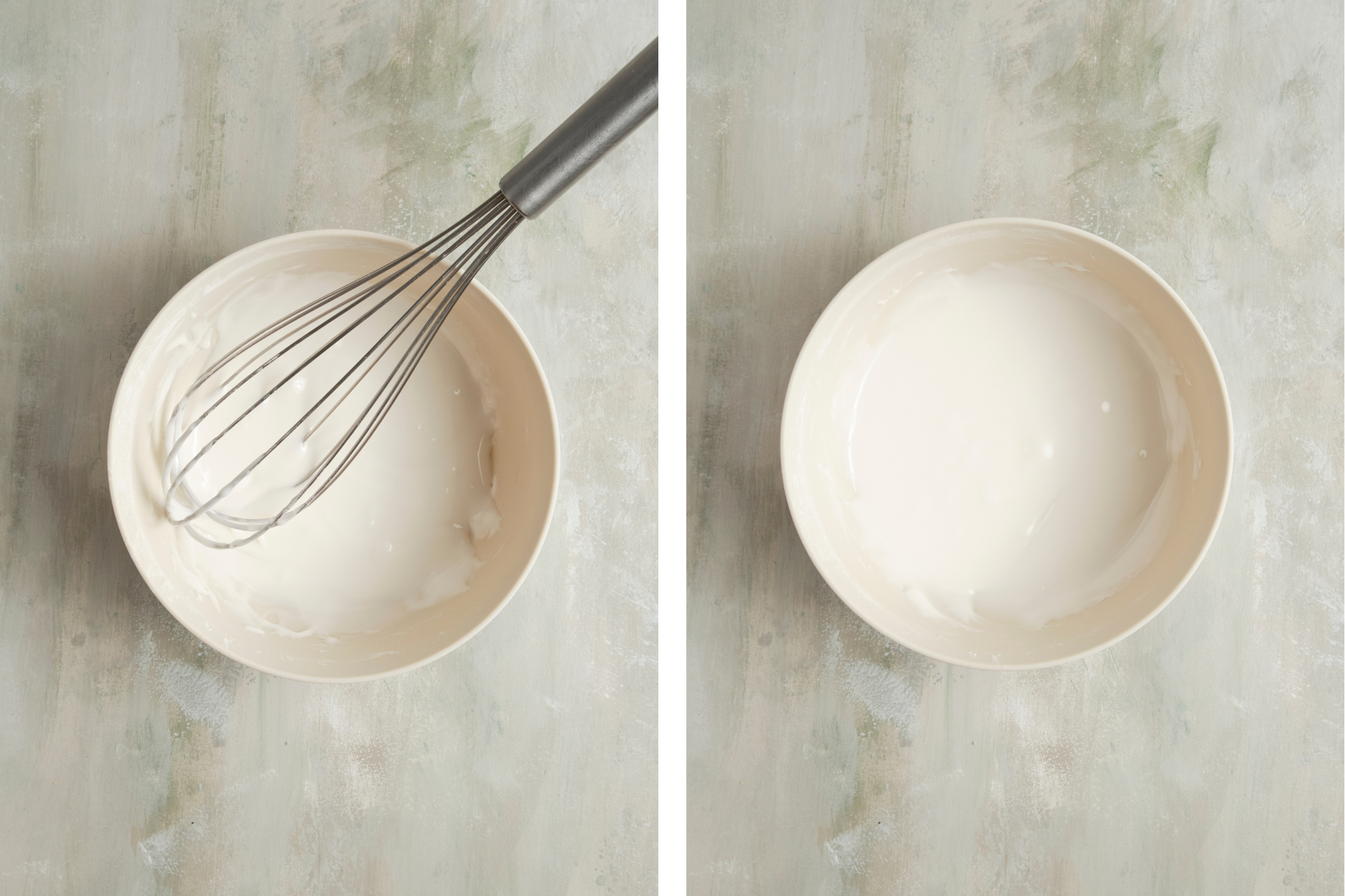
While the cookies are baking, prepare the icing. Combine the icing sugar and the remaining ingredients in a large bowl. Beat on low speed first, then increase to medium-high and mix for about 1 minute, until the icing is smooth, thick, and glossy.
Add the Colors
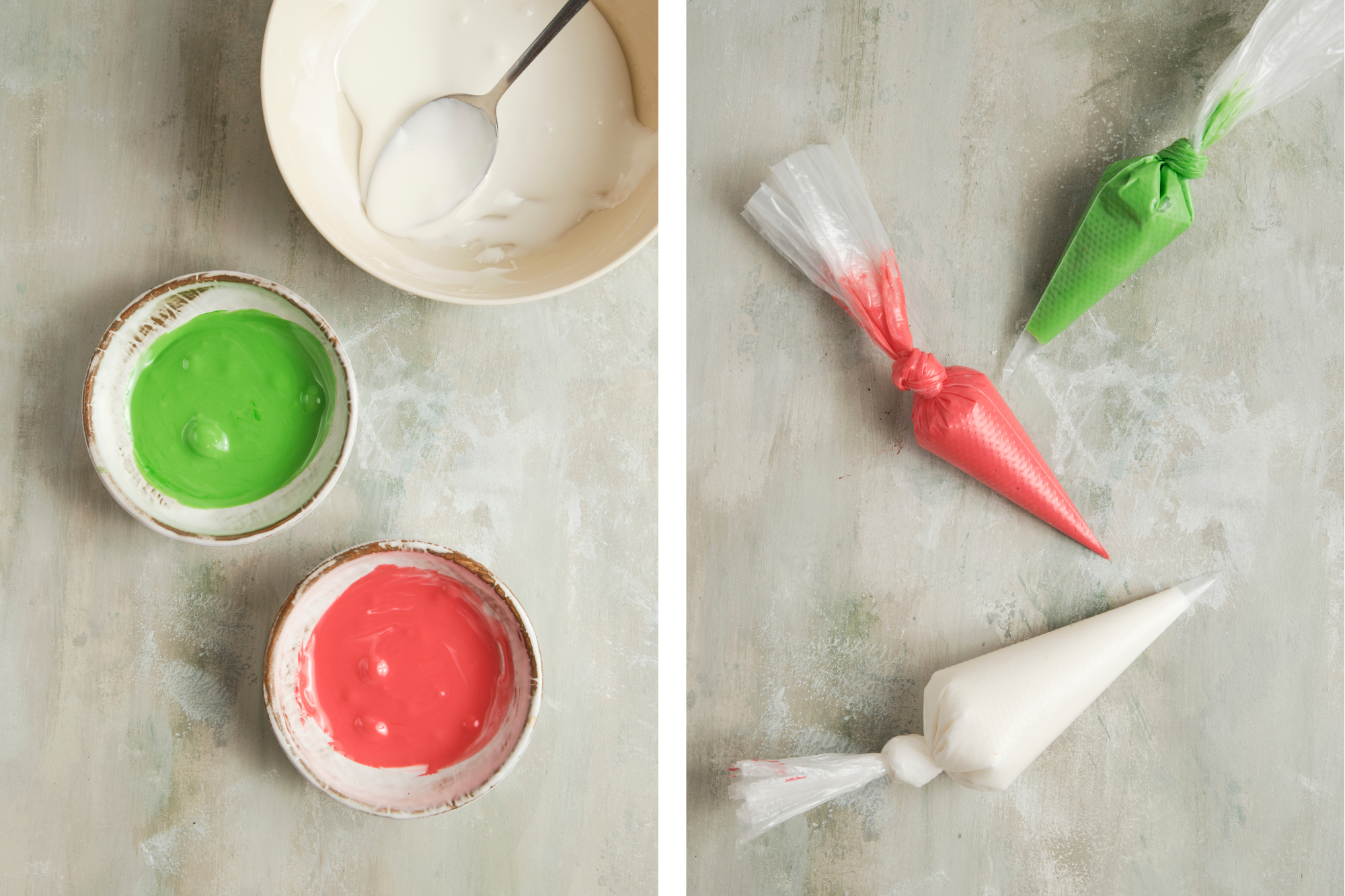
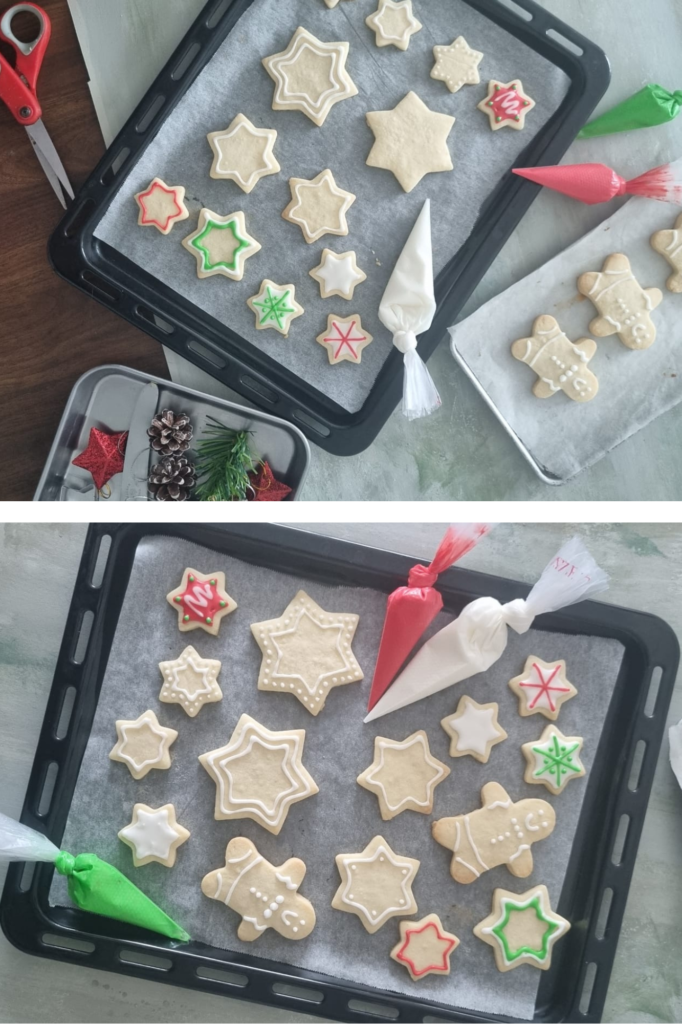
Divide the icing between small bowls, depending on how many colors you want to make. Add a few drops of food coloring to each bowl and mix well. If the icing becomes too runny, simply mix in a little more powdered sugar to thicken it.

From my Kitchen (Chef’s Notes)
Keep the Butter Cold: In my kitchen, I always work with cold butter for these cookies. It helps create that delicate, tender texture I’m looking for, so I try to work quickly before the butter gets too soft.
Don’t Overwork the Dough: One thing I’ve learned from making these cookies is that less is more. I knead the dough only until it comes together smoothly—overworking it can make the cookies tougher.
Chill the Dough: I never skip this step. A short rest in the refrigerator makes the dough much easier to roll and helps the cookies hold their beautiful shapes in the oven.
Other Baking Recipes


German Christmas Cookies
Ingredients
Equipment
Method
- Add the flour, powdered sugar, and salt to a large mixing bowl and mix to combine. Add the cold butter, cut into small cubes, and the egg. Mix everything until a smooth dough forms.
- Knead everything together with your hands just until a smooth dough forms, being careful not to over-knead it, as this can make the cookies tough. Once the dough is ready, refrigerate it for about 30 minutes.
- Preheat the oven to 350°F (180°C).
- Lightly flour your work surface and roll out the chilled dough to about 1/4 inch (5–6 mm) thick. Using your favorite cookie cutters, cut out different shapes from the dough.
- Carefully transfer the cookies to a parchment-lined baking sheet, leaving a little space between each one.
- Gather any leftover dough, gently bring it back together, and roll it out again to cut more cookies.
- Place the cookies on a parchment-lined baking sheet and bake for about 10 minutes, or until the edges are lightly golden.
- While the cookies are in the oven, prepare the icing. Combine the icing sugar and the remaining ingredients in a large bowl. Beat on low speed first, then increase to medium-high and mix for about 1 minute, until the icing is smooth, thick, and glossy.
- Divide the icing between small bowls, depending on how many colors you want to make. Add a few drops of food coloring to each bowl and mix well. If the icing becomes too runny, just mix in a little more powdered sugar to thicken it.
Notes
- Keep the butter cold: Cold butter helps create a tender, delicate cookie. Work quickly when mixing the dough so the butter doesn’t soften too much.
- Don’t overwork the dough: Knead only until the ingredients come together into a smooth dough. Overworking it can make the cookies less tender.
- Chill the dough: A short rest in the refrigerator makes the dough easier to roll and helps the cookies keep their shape while baking.
- Let the cookies cool completely: Make sure the cookies are fully cooled before decorating; otherwise the icing can melt or become runny.
- Adjust the icing slowly: Start with a small amount of water and add more only if needed. It’s much easier to thin icing than to fix icing that has become too runny.