

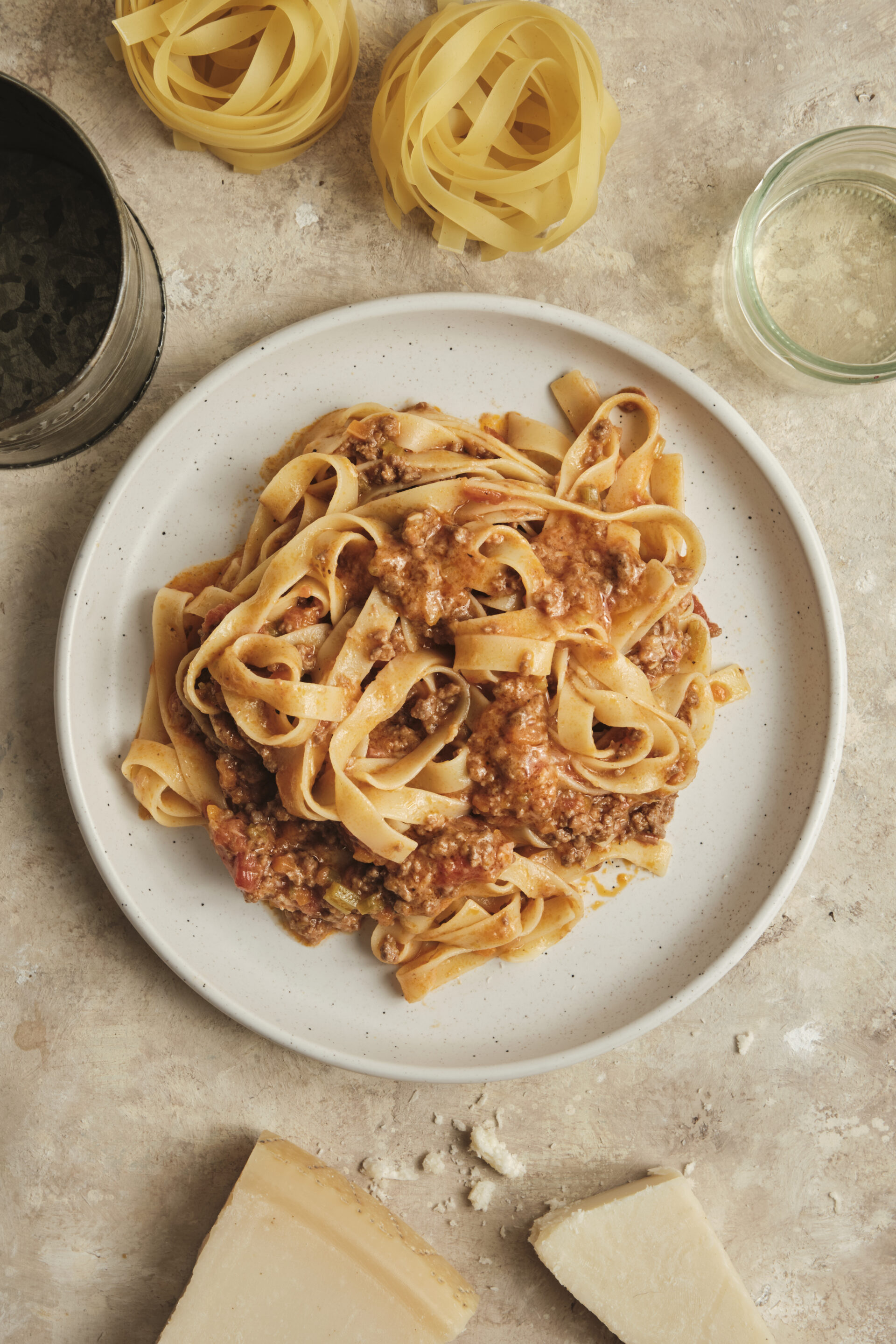
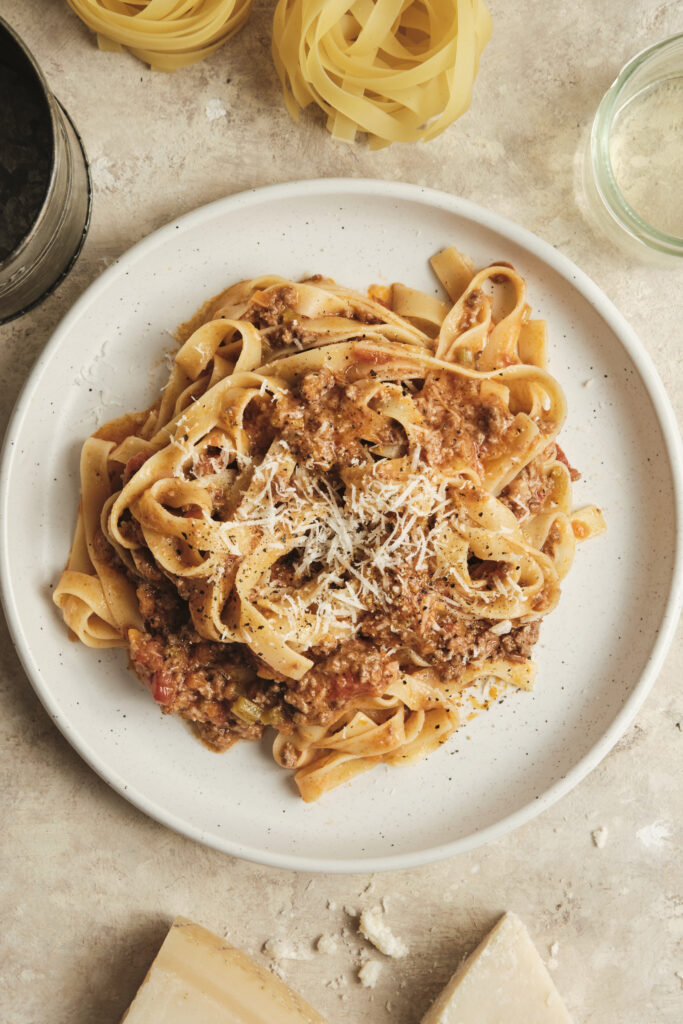
Authentic Bolognese sauce, or ragù alla Bolognese, is one of the most misunderstood Italian classics. This is not a quick tomato meat sauce—it’s a slow-cooked, deeply flavorful ragù built on technique, patience, and balance.
As a professional chef, I’ve learned that a proper Bolognese comes down to controlling heat, layering flavor, and allowing time to do the work. In this recipe, I’ll guide you step-by-step through the traditional method, so you not only achieve a rich, authentic result but also understand the fundamentals behind it.
A little about Bolognese
Authentic Bolognese—ragù alla bolognese—comes from the city of Bologna in northern Italy. Unlike many versions you might come across, it doesn’t rely heavily on tomatoes. Instead, it builds its character from a balanced combination of meat, aromatic vegetables, a small amount of tomato, and often a touch of milk, which gives the sauce a softer, more rounded flavor.
Traditionally, Italians serve it with tagliatelle rather than spaghetti—and for good reason. The wider ribbons of pasta hold onto the sauce much better, creating a more balanced bite. It’s a dish deeply rooted in Italian culinary tradition, where careful technique and restraint matter far more than long ingredient lists.
Why this recipe is worth trying
I’ll say this quite honestly—once you’ve made a proper Bolognese from scratch, it really changes your expectations. It’s not just about cooking a sauce, but about understanding how flavor develops over time.
What makes this recipe so worth trying, in my opinion, is its focus on depth, balance, and technique. The slow cooking allows the flavors to build gradually, creating a richness that never feels heavy. Instead, everything comes together in a way that feels rounded and well-structured, without unnecessary complexity.
It’s also a wonderfully versatile base. Once you have a good Bolognese, you’re not simply making something for pasta—you’re creating the foundation for a range of dishes, from lasagna to baked pasta or even something as simple as serving it with polenta.
Why You’ll Love This Authentic Bolognese Sauce
This recipe is built to give you both an exceptional result and a deeper understanding of how a true Bolognese comes together.
- This recipe shows you how to cook a true Bolognese from a professional perspective, focusing on technique rather than shortcuts.
- The flavor is deeply layered and developed slowly, giving you a rich, balanced sauce that tastes like it came from a restaurant kitchen.
- You’ll learn essential cooking skills along the way, understanding not just the steps but the reasoning behind them.
- It’s a comforting, slow-cooked dish that fills your kitchen with incredible aroma and delivers a deeply satisfying result.
- The sauce improves over time, making it perfect for preparing ahead and enjoying even more the next day.
- Once you understand the base, you can adapt and refine it confidently, just like a chef would.
What You Need to Make Authentic Bolognese Sauce
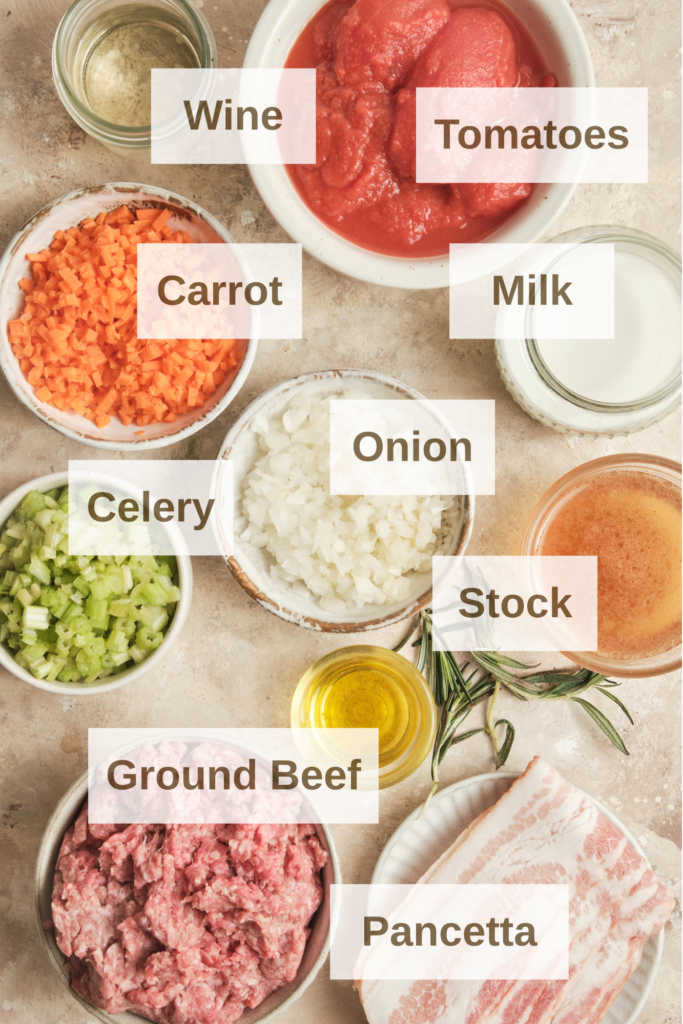
One of the reasons authentic Bolognese sauce is so beloved is because it uses simple, traditional ingredients that slowly build deep flavor as they cook together. While the ingredient list may seem basic, each component plays an important role in creating the rich, comforting character that makes this sauce so special.
Here are the key ingredients typically used to make a traditional Bolognese sauce.
Ground Meat – The heart of Bolognese sauce is the meat. The meat gives the sauce its hearty texture and rich, savory flavor. As it slowly cooks, it becomes tender and absorbs the flavors of the other ingredients.
Pancetta – Pancetta adds a deep savory base to the sauce, rendering its fat slowly to build richness, enhance umami, and create a more rounded, complex flavor from the very beginning.
Soffritto – Onion, carrot, and celery form the traditional vegetable base of Bolognese sauce, known in Italian cooking as a soffritto. These vegetables are finely chopped and slowly cooked to create a flavorful foundation that adds sweetness, depth, and balance to the sauce.
Milk – Milk might seem like an unusual ingredient, but it is a traditional component of Bolognese sauce. It helps tenderize the meat and softens the acidity of the tomatoes, giving the sauce a smoother and more balanced flavor.
Wine – A splash of white or red wine is often added during cooking. The wine helps deglaze the pan and adds complexity and depth to the sauce as it slowly reduces.
Why This Authentic Bolognese Sauce Works
This authentic Bolognese sauce works because it respects technique over shortcuts—and that’s where most recipes fail.
At its core, Bolognese is not a tomato sauce with meat. It’s a meat-driven ragù, where every step builds layers of flavor:
- Soffritto first → creates a sweet, aromatic base
- Proper browning → develops deep umami through Maillard reaction
- Wine reduction → balances fat and richness
- Low, slow cooking → allows everything to melt into one cohesive sauce
Traditional recipes rely on fat, collagen, and time, not heavy seasoning. That’s why the final sauce is rich, silky, and deeply savory rather than aggressively tomato-forward.
How to Make Authentic Bolognese Sauce
Take a look at the step-by-step photos below for a visual guide to the process. You’ll find the complete written recipe along with helpful tips in the recipe card further down the page.
Making authentic Bolognese sauce is all about patience and building flavor step by step. Unlike quick tomato sauces, this classic Italian ragù develops its rich taste slowly as the ingredients simmer together. In this guide, I’ll walk you through the process with step-by-step photos so you can easily follow along and recreate this comforting dish at home.
Cook the Soffritto – Heat a little olive oil in a large pot over medium heat. Add the chopped onion, carrot, celery, chopped pancetta and cook them slowly for about 5 minutes. Stir occasionally and allow the vegetables to soften without browning. This gentle cooking process helps release their natural sweetness and creates the flavorful base for the sauce (photo 1).
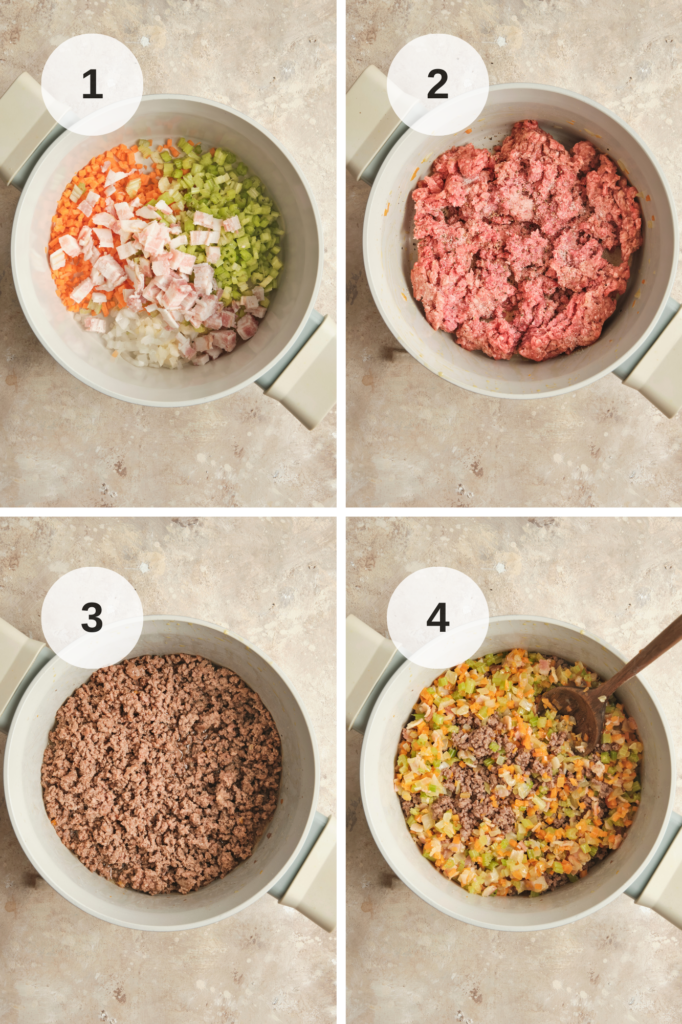
Add the Meat – Once the vegetables are soft, remove from the pot and set aside. Add the ground meat to the same pot. Use a spoon or spatula to break it apart as it cooks. Cook the meat until it is fully browned and no longer pink. Return the cooked vegetables to the pot with the browned meat (photos 2- 4).
Next, pour a splash of wine into the pot and stir well. The wine helps lift the flavorful bits from the bottom of the pan and adds depth to the sauce. Allow the wine to simmer for a few minutes until most of the liquid has reduced.
Now, add the tomatoes and stir everything together. Bring the sauce to a gentle simmer.Lower the heat and allow the sauce to simmer slowly for at least 1 to 2 hours. Stir occasionally and let the flavors develop naturally. The longer it simmers, the deeper and more complex the taste becomes (photos 5- 8).
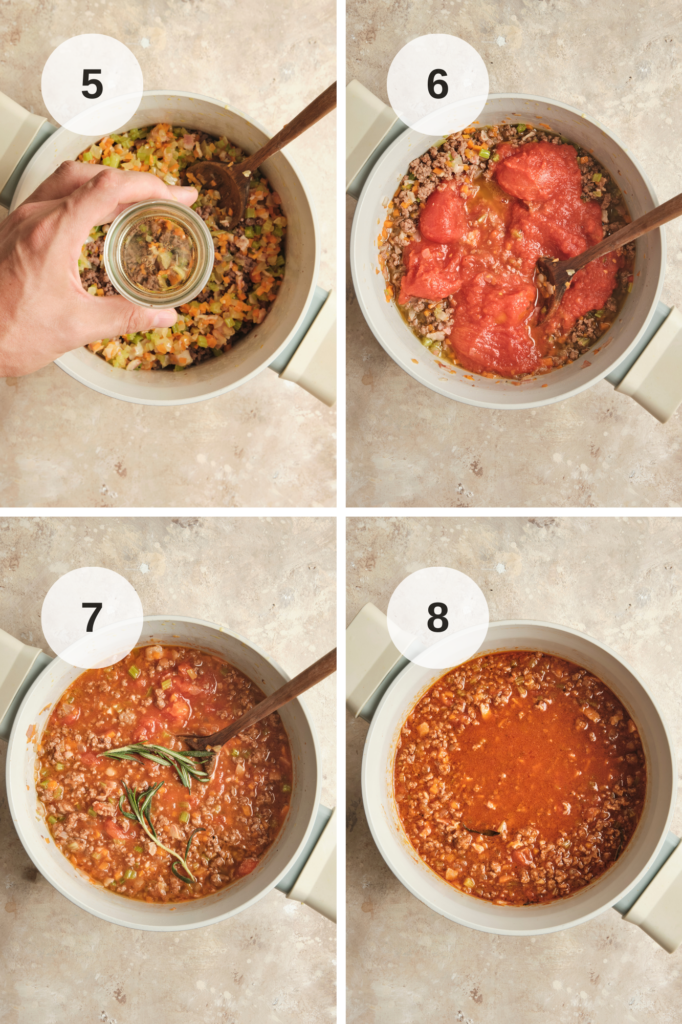
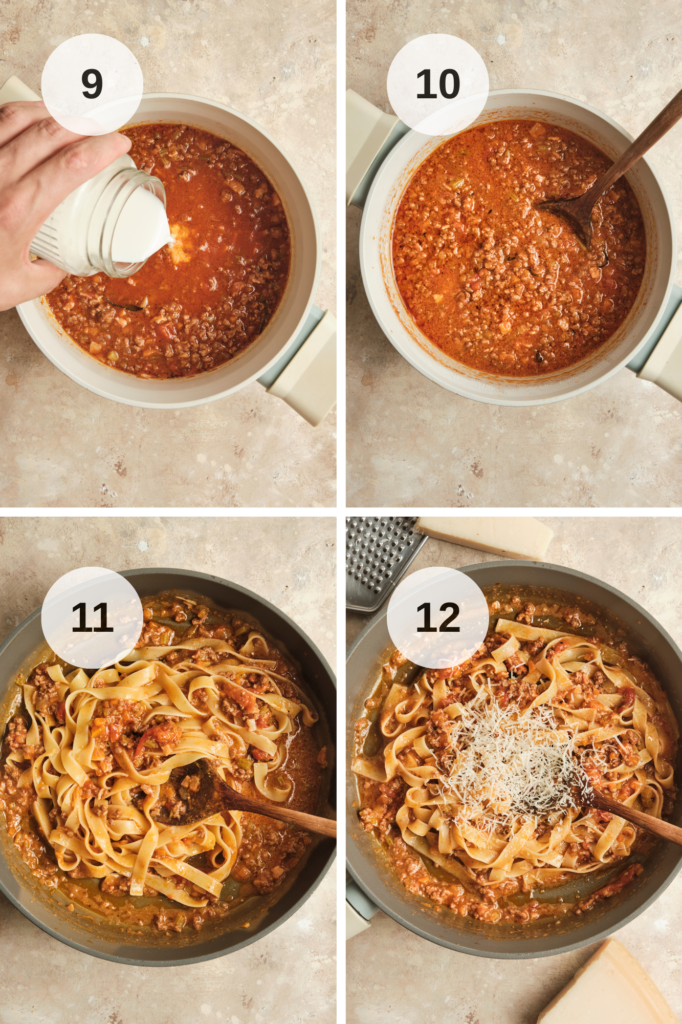
Add the Milk- After the ragù has simmered for 1–2 hours, add the milk and stir it into the sauce. The milk helps soften the acidity of the tomatoes and gives the Bolognese its signature smooth and balanced flavor. Allow the sauce to cook for another 20–30 minutes, letting everything blend beautifully (photos 9 & 10).
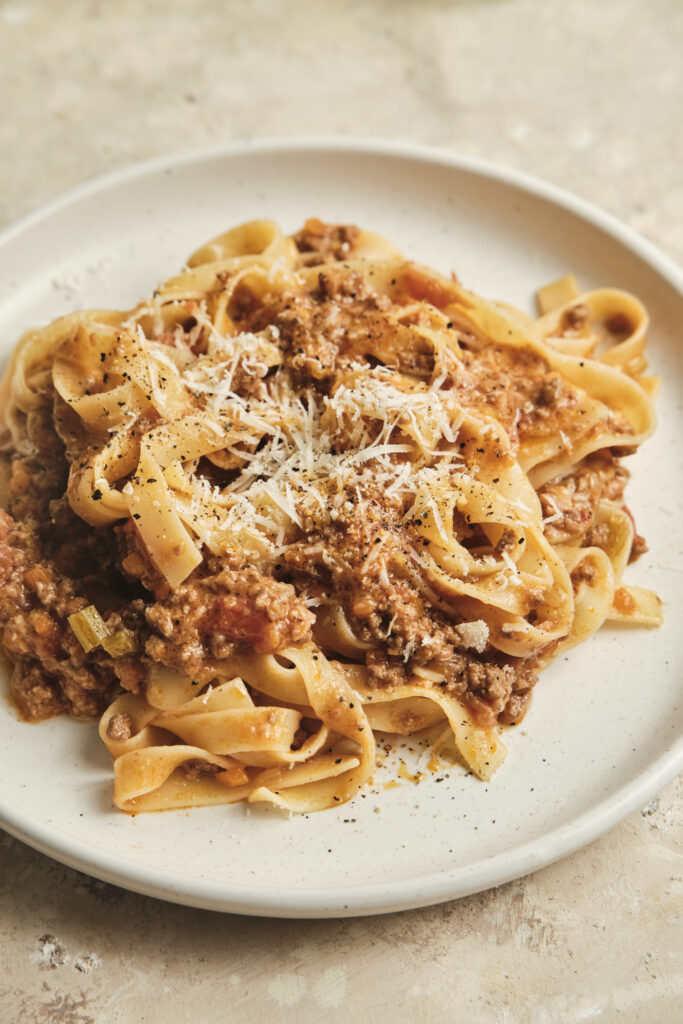
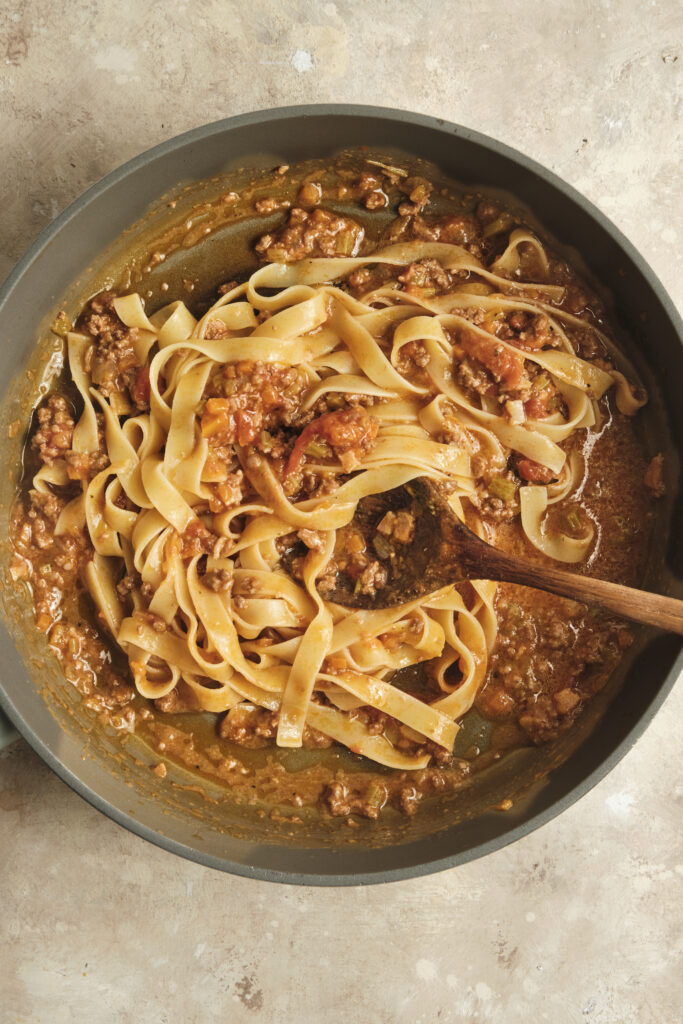
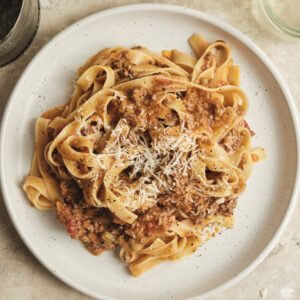
Serve and Enjoy – Once the sauce has reached a thick, rich consistency, it’s ready to serve. You can pair this bolognese with wide pasta like tagliatelle, which holds the hearty sauce beautifully. Finish with freshly grated parmesan cheese and enjoy a comforting plate of homemade pasta (photos 11 & 12).
A Comforting Dish Worth the Time
Authentic Bolognese sauce is one of those recipes that reminds you why traditional cooking methods are so special. With just a handful of ingredients and a bit of time, you can create a sauce that tastes rich, comforting, and full of character.
Whether you serve it with tagliatelle, pappardelle, or your favorite pasta, this classic Italian ragù is always a dish that brings warmth to the table. And for me, it’s one of those recipes that always feels a little special every time I make it.
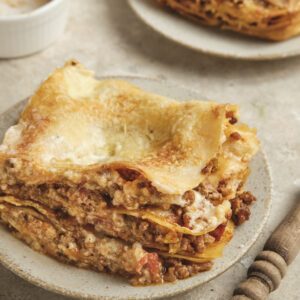
This Bolognese sauce works perfectly in other dishes as well, especially layered into a Italian Beef Lasagna.
Mastering Control Over Time and Texture (Chef Insight)
A proper Bolognese is less about ingredients and more about control. The key is managing heat, moisture, and time so the sauce develops slowly without rushing any stage. You’re not just cooking meat—you’re guiding it through a transformation, where fat, liquid, and protein gradually come together into one cohesive, silky sauce.
- Keep the heat low and steady so the sauce gently simmers rather than aggressively boils.
- Allow each stage to finish properly before moving on, especially browning and reduction.
- Pay attention to texture—the sauce should become rich and unified, not watery or separated.
- Stir occasionally, but not constantly, to let flavors develop without breaking the structure.
- Trust visual cues over time—the sauce is ready when it looks glossy, thick, and cohesive.
FROM MY KITCHEN (CHEF’S NOTE)
On taking your time
For me, Bolognese is all about patience. I always let it simmer gently for at least a couple of hours—this is where the depth and richness really develop.
Building the base properly
I never rush the soffritto. Cooking the onion, carrot, and celery slowly until soft and slightly sweet creates the foundation for the entire sauce.
Browning the meat
I like to give the beef enough time to properly brown. It should develop a bit of color—this adds a deeper, more complex flavor to the final result.
Balance over tomato
A good Bolognese is not a tomato-heavy sauce. I use just enough to support the meat, not overpower it.
The role of milk
Adding milk might seem unusual, but I find it essential. It softens the acidity and gives the sauce a more rounded, almost silky finish.
Gentle simmering
I always keep the heat low. A slow, quiet simmer allows everything to come together without becoming heavy or dry.
Texture matters
The sauce should be rich and thick, but still slightly loose—something that coats the pasta rather than sitting heavily on top.
Variations & Substitutions
Once you understand the base of a proper Bolognese, you can adjust it depending on what you have or the style you prefer—without losing its character.
- You can use only beef for a more robust, slightly firmer sauce, or combine beef and pork for a more balanced, traditional result.
- Pancetta can be replaced with finely chopped bacon if needed, though the flavor will be slightly smokier.
- If you don’t have wine, you can substitute with a splash of stock and a small amount of vinegar or lemon juice to mimic the acidity.
- For a dairy-free version, simply skip the milk and extend the cooking slightly, adding a bit more stock if needed.
- You can adjust the amount of tomato depending on your preference, but keeping it minimal will give you a more authentic, meat-focused sauce.
- If you want a lighter version, reduce the fat slightly—but keep in mind that richness is part of the identity of this dish.
FAQ
Why does Bolognese need to cook so long?
The long cooking time allows the meat to break down and the flavors to fully develop into a rich, cohesive sauce.
Can I make this sauce faster?
You can shorten the time, but you’ll lose depth and texture. A proper Bolognese benefits from slow cooking.
Why is milk added at the end?
Milk softens acidity, tenderizes the meat, and helps create a smoother, more balanced sauce.
What pasta works best with Bolognese?
Wide pasta like tagliatelle or pappardelle holds the sauce best and gives a more authentic result.
Can I freeze Bolognese sauce?
Yes, it freezes very well for up to a few months and often tastes even better after reheating.
How do I know when the sauce is done?
The sauce should look thick, glossy, and fully combined, with no excess liquid separating from the meat
More Pasta Recipes to Try
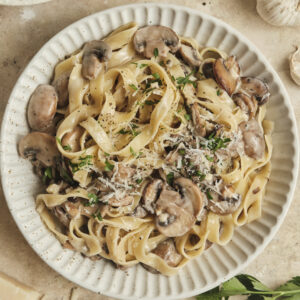
If you enjoy simple, comforting pasta dishes, you’ll find plenty of inspiration here on my blog. From creamy classics to light and fresh options, these recipes are designed to be approachable, full of flavor, and perfect for any day of the week—whether it’s a slow-cooked favorite like Classic Italian Beef Lasagna or a quick, satisfying dish like 30-Minute Creamy Mushroom Pasta.
Be sure to check out:
Authentic Bolognese Sauce
Ingredients
- 1 lbs ground Beef
- 1/2 tbsp extra-virgin olive oil
- 1/4 cup pancetta chopped
- 1 medium carrot chopped
- 1 medium celery chopped
- 1 medium onion chopped
- 1 cup vegetable stock
- 1/2 cup dry white wine
- 1 cup whole tomatoes with juice
- 1 cup milk
- 1 lb tagliatelle pasta
- 1 sprig rosemary
Instructions
- Heat the olive oil in a large pot over medium heat. Add the onion, carrot, and celery and cook for about 5 minutes until the vegetables are soft and fragrant.
- Add the ground meat and cook, breaking it apart with a spoon, until it is fully browned.
- Pour in the wine and stir well, scraping up any browned bits from the bottom of the pan. Let it simmer for a few minutes until the liquid has mostly evaporated.
- Stir in the crushed tomatoes, rosemary sprig, and bring the sauce to a gentle simmer.
- Reduce the heat to low and let the sauce cook slowly for 1 to 2 hours, stirring occasionally, until thick and flavorful.
- Stir in the milk and continue cooking for another 20–30 minutes until the sauce becomes rich and creamy.
- Season with salt and black pepper to taste. Serve warm over tagliatelle or your favorite pasta and top with grated parmesan cheese.
Notes
Allow the meat to cook until it is nicely browned. This adds depth and richness to the sauce and gives the Bolognese its hearty character. Let the sauce simmer slowly
Authentic Bolognese benefits from slow cooking. Letting the ragù simmer for at least 1–2 hours helps the flavors develop and creates a thicker, richer sauce. Add the milk at the end
Milk is traditionally added after the sauce has simmered for a while. It softens the acidity of the tomatoes and gives the sauce a smooth, well-rounded flavor. Serve with the right pasta
Bolognese is traditionally served with wider pasta like tagliatelle or pappardelle, which hold the rich sauce better than thin pasta.