

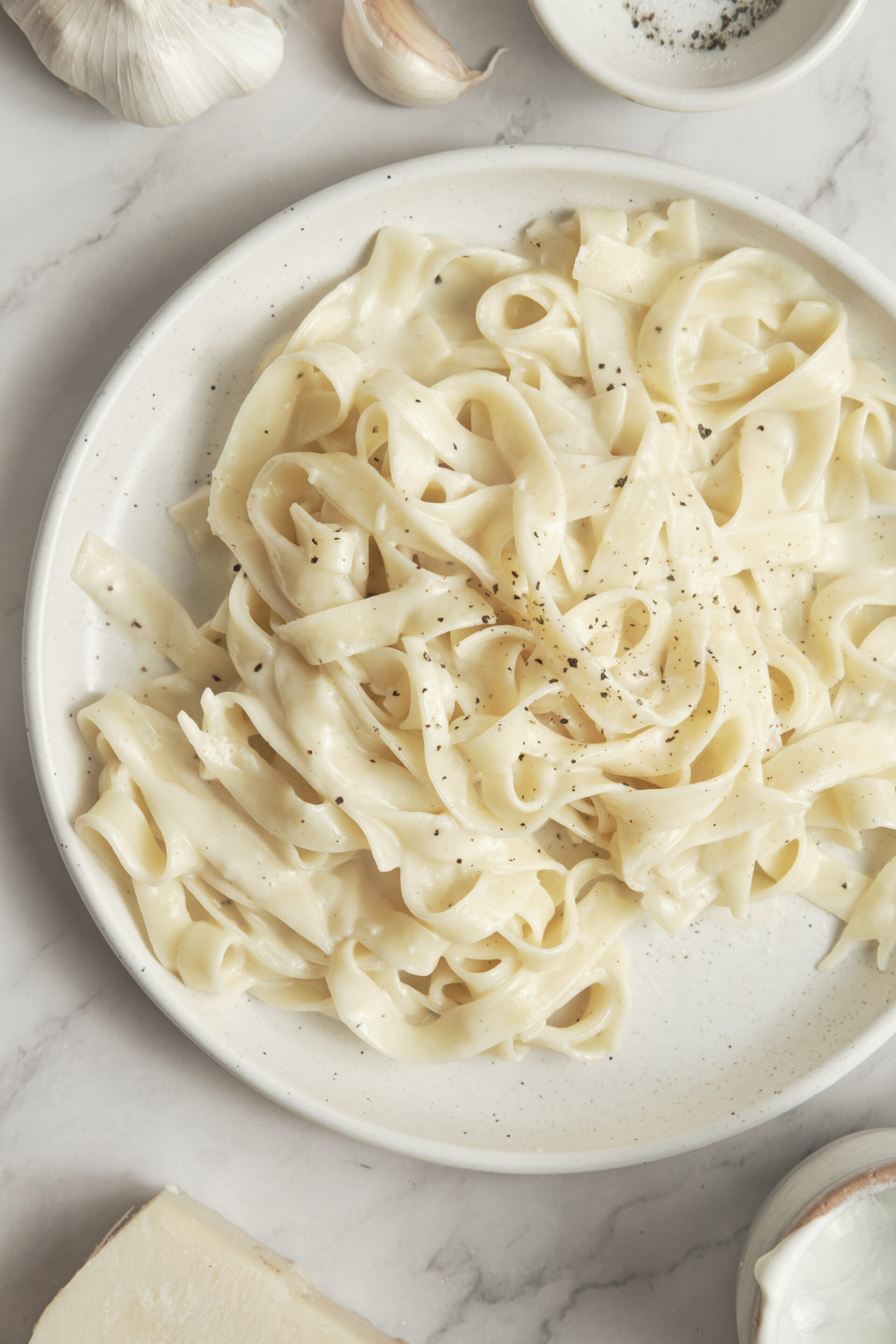
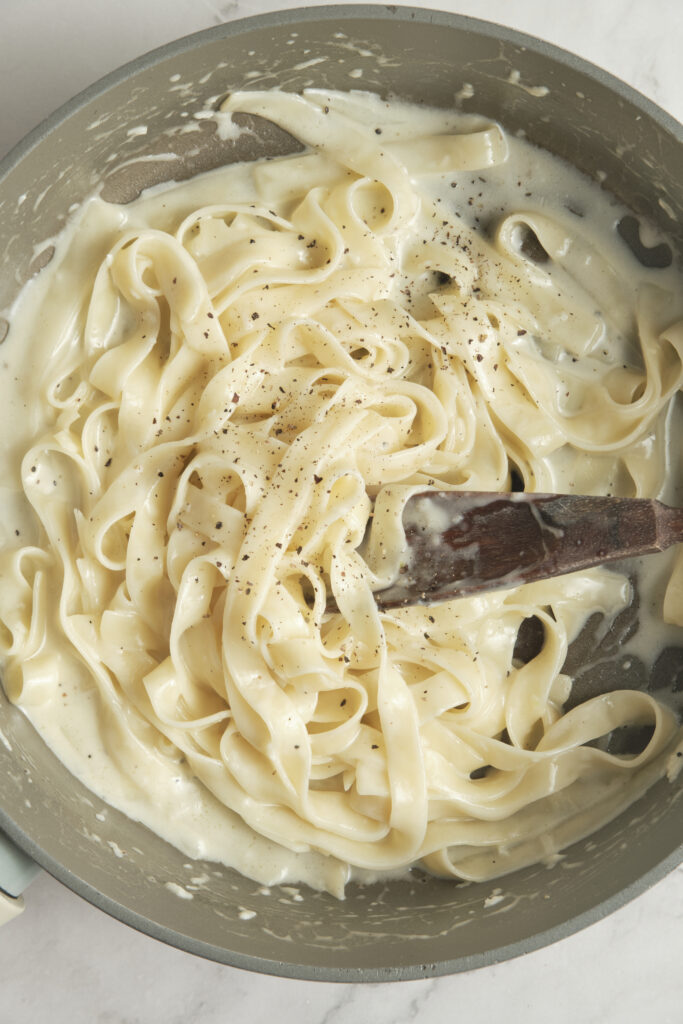
I remember the first time I truly understood Alfredo—not as a heavy cream sauce, but as an emulsion of butter, cheese, and pasta water. It completely changed how I approached pasta. For me, this dish is a reminder that technique matters just as much as ingredients. When done right, it’s incredibly simple, yet deeply comforting.
Why You’ll Love This Recipe
- This recipe shows how a few simple ingredients can transform into a rich and luxurious dish through proper technique.
- It’s quick to prepare, yet feels refined and restaurant-quality.
- You’ll learn how to control texture and consistency like a chef.
- It’s comforting, satisfying, and perfect for both everyday meals and special occasions.
Key Ingredients
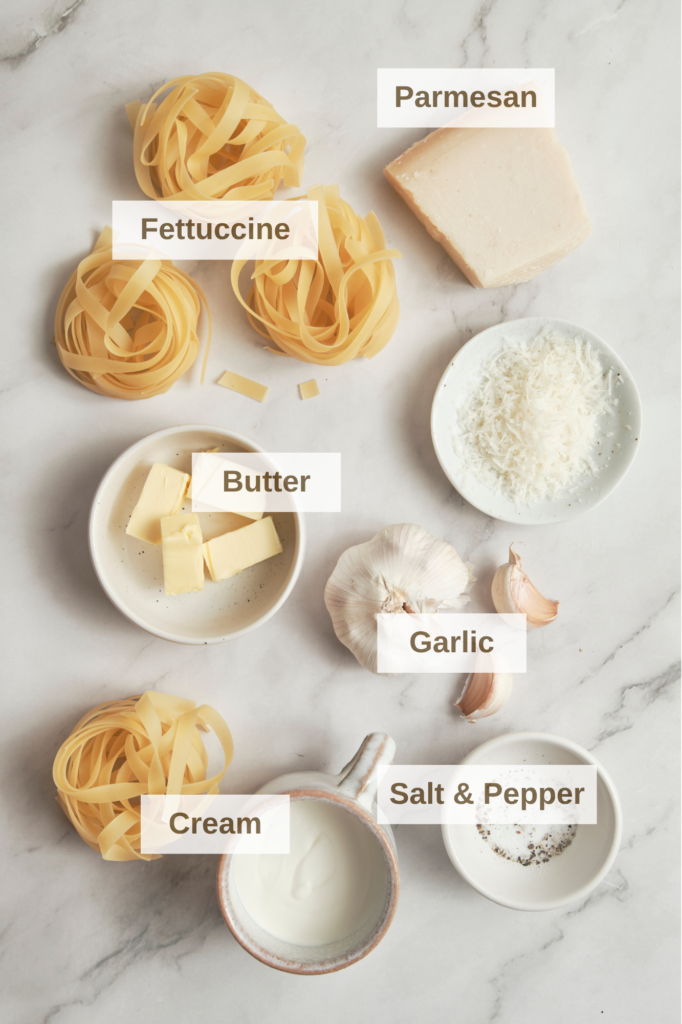
- Fettuccine
A wide, flat pasta that holds onto the sauce beautifully. Its surface allows the sauce to cling evenly, giving you that silky finish in every bite. - Butter
This is the foundation of the sauce. I prefer using good-quality butter—it gives richness and a smooth, rounded flavor that carries the dish. - Heavy Cream
While not traditional, a touch of cream creates a more stable and consistently creamy sauce. It makes the dish more forgiving and gives it that smooth, velvety texture many people love. - Parmigiano-Reggiano
The soul of Alfredo. It brings saltiness, depth, and that signature umami. Always grate it fresh—it melts better and integrates smoothly into the sauce. - Pasta Water
Still an important element, even with cream. It helps loosen the sauce and creates a better coating, bringing everything together into a glossy finish.
Variations & Substitutions
- Add More Protein – Add grilled chicken or sautéed shrimp to turn it into a more filling, protein-rich dish.
- Add Mushrooms – Stir in mushrooms for an earthy flavor that balances the creamy sauce beautifully.
- Boost the Garlic – Add a little extra garlic for a bolder and more aromatic pasta dish.
- Add Greens – Fresh spinach or broccoli make the pasta feel lighter and more balanced.
- Make It Lighter – Use half-and-half instead of heavy cream for a lighter everyday version.
- Mix the Cheese – Combine Parmesan with Pecorino for a sharper and more intense flavor.
How to make Fettuccine Alfredo
Take a look at the step-by-step photos below for a visual guide to the process. You’ll find the complete written recipe along with helpful tips in the recipe card further down the page.
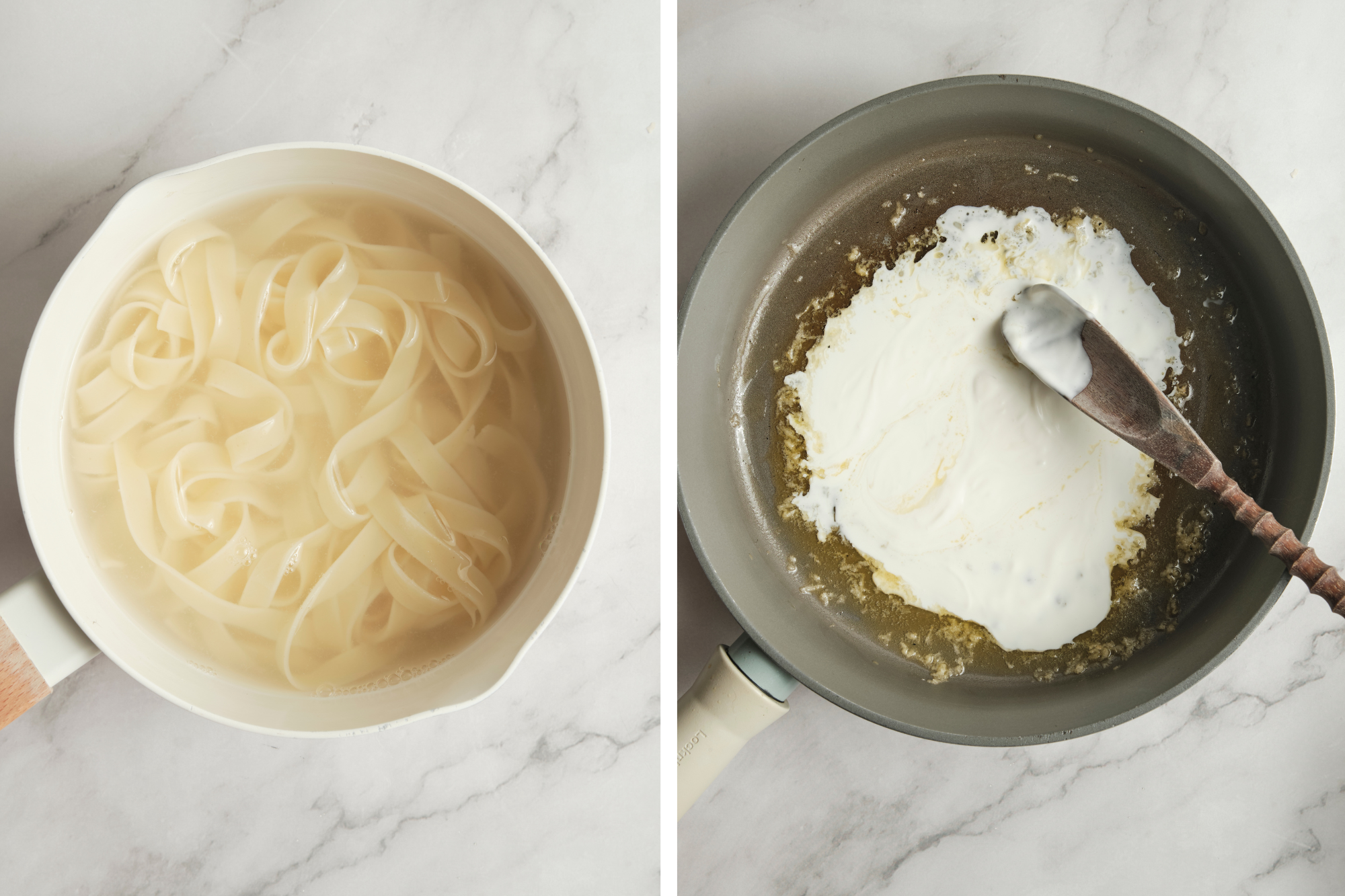
Cook the pasta
Bring a large pot of well-salted water to a boil and cook the fettuccine until al dente. Before draining, reserve about 1 cup of the pasta water.
Start the sauce base
In a wide pan over medium-low heat, melt the butter gently. Once melted, pour in the heavy cream and stir to combine. Let it warm through slowly for a few minutes until it begins to gently simmer.
Build flavor and texture
Allow the cream and butter mixture to reduce slightly, stirring occasionally. This step helps concentrate the flavor and creates a thicker, more luxurious base for the sauce.
Incorporate the Parmesan
Lower the heat and gradually add the freshly grated Parmesan while continuously tossing or stirring. Let the cheese melt slowly into the sauce, creating a smooth and creamy texture.
Add the cheese in stages to avoid clumping and to maintain control over the consistency.
Add the pasta
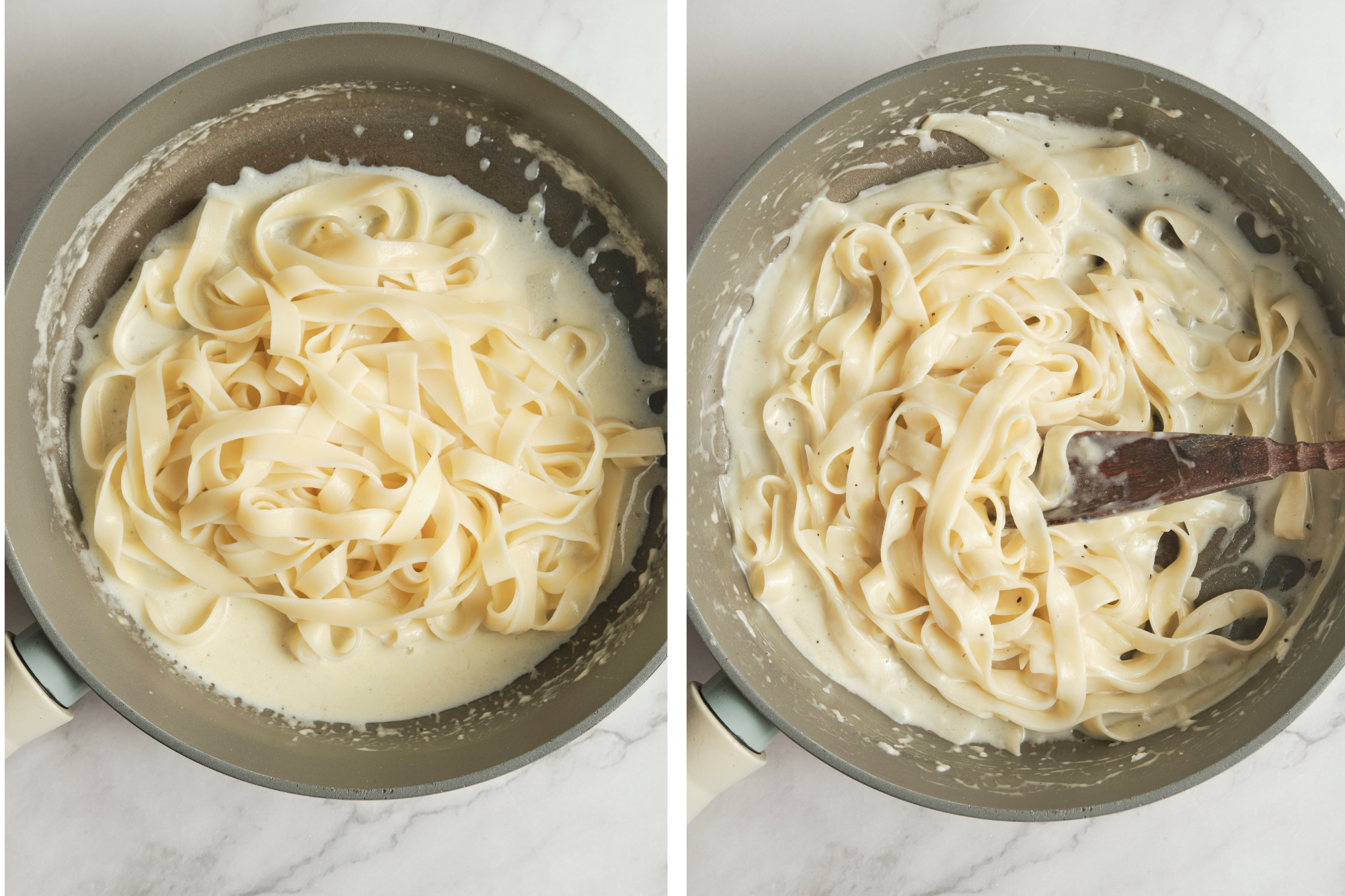
Transfer the cooked fettuccine directly into the pan with the cream sauce. Toss gently so the pasta is fully coated and begins to absorb the sauce.
Adjust the consistency
If the sauce becomes too thick, add a small splash of reserved pasta water and continue tossing until the sauce turns silky and coats the pasta evenly.
Finish and season
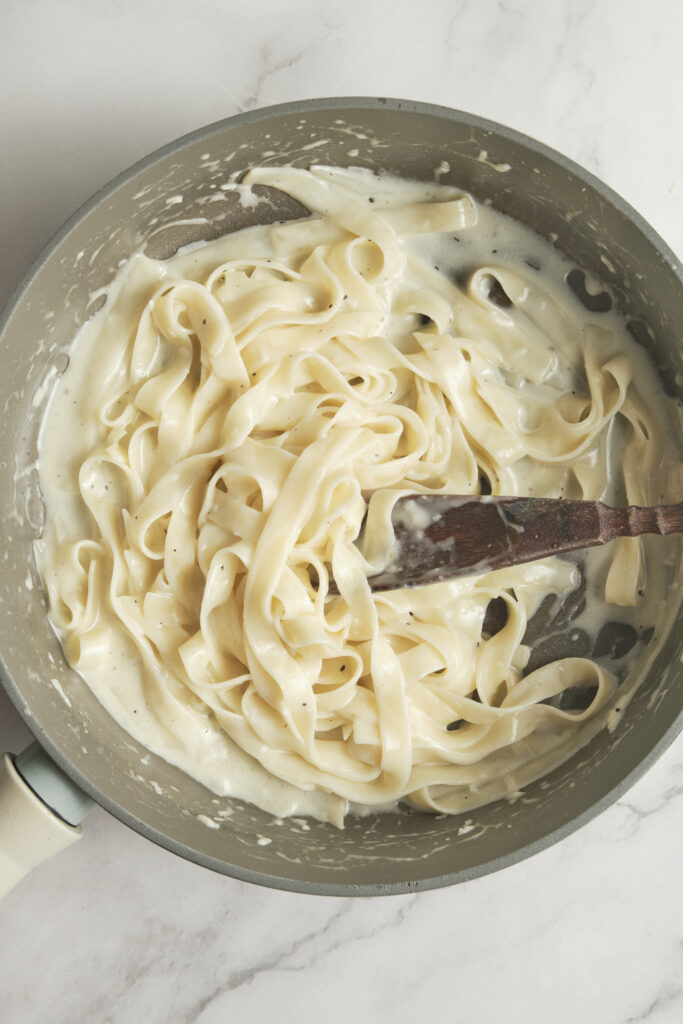
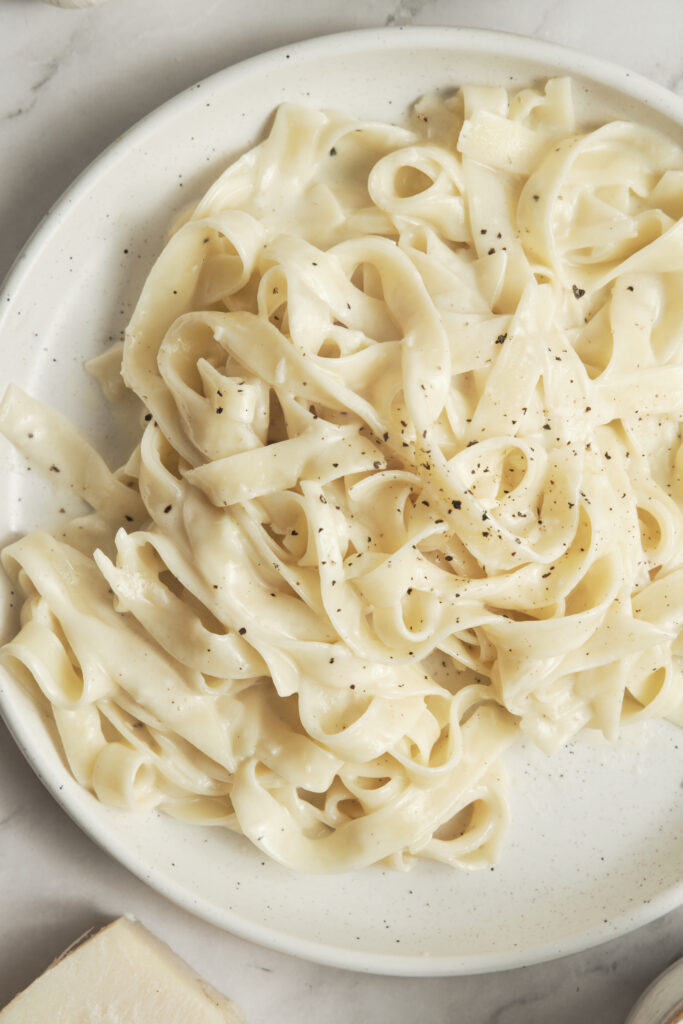
Season with freshly ground black pepper and taste. Adjust with a little more salt if needed. The sauce should be rich, smooth, and perfectly balanced.
The Secret to a Perfect Alfredo (Chef Insight)
When working with a cream-based Alfredo, the goal is to create a sauce that feels rich and smooth without becoming heavy or greasy. Cream gives you a stable base, but technique is still what makes the difference.
- Keep the heat gentle – I always let the cream simmer softly rather than boil. This keeps the sauce smooth and prevents it from separating.
- Add the Parmesan slowly – Stir the cheese in gradually so it melts evenly into the sauce and creates that silky texture.
- Use medium-low heat – Cream sauces are delicate, so I prefer keeping the heat lower to avoid splitting or becoming grainy.
- Stir constantly – Continuous stirring helps the sauce stay glossy, creamy, and perfectly emulsified.
When done right, the sauce should coat the pasta lightly—creamy, glossy, and balanced rather than thick or overpowering.
From my Kitchen (Chef’s Notes)
- Control the Heat
Too much heat will cause the cheese to clump instead of melt smoothly. Keep everything gentle. - Use Pasta Water Wisely
Add it gradually—it’s your tool to adjust consistency and create a silky sauce. - Grate Cheese Fresh
Pre-grated cheese won’t melt properly and can result in a grainy texture. - Work Quickly
The sauce comes together fast and should be served immediately for the best texture. - Emulsification is Key
The constant tossing is what creates the creamy texture—don’t skip this movement.
How to Serve Fettuccine Alfredo
Serve immediately while warm and creamy. It works beautifully on its own, but you can pair it with grilled chicken, sautéed vegetables, or a simple green salad for balance.
How to Store
Fettuccine Alfredo is best enjoyed fresh. If needed, store leftovers in an airtight container in the fridge for up to 1 day. Reheat gently with a splash of water to loosen the sauce, though the texture will not be as smooth as freshly made.
Recipe FAQs
It’s best made fresh, but you can prepare it slightly ahead and reheat gently with a splash of milk or cream to bring it back together.
This usually happens when the heat is too high or the cheese is added too quickly. Always keep the heat low and add cheese gradually.
Tagliatelle, linguine, or even penne work well because they hold the sauce nicely.
Cream-based sauces don’t freeze well as they can separate when reheated. It’s better to enjoy it fresh.
More Pasta Recipes to Try
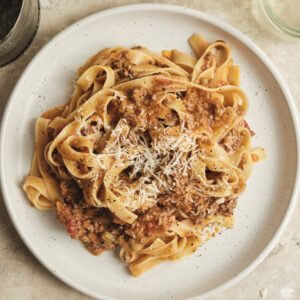
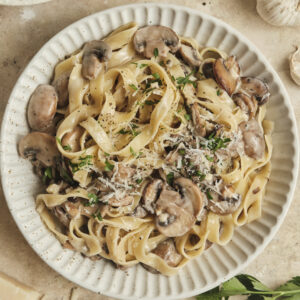
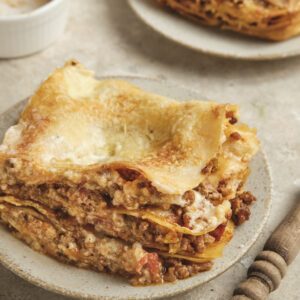
If you enjoy simple, comforting pasta dishes that focus on flavor and technique, there are so many delicious variations to explore. As a chef, I always see pasta as a canvas—something that can be light and fresh, rich and indulgent, or perfectly balanced depending on how you build the dish. A few of my favorite recipes are my creamy mushroom pasta, classic Italian beef bolognese, and hearty beef lasagna. Each one has its own character, but they all focus on simple ingredients, good technique, and comforting flavors.
Be sure to check out:
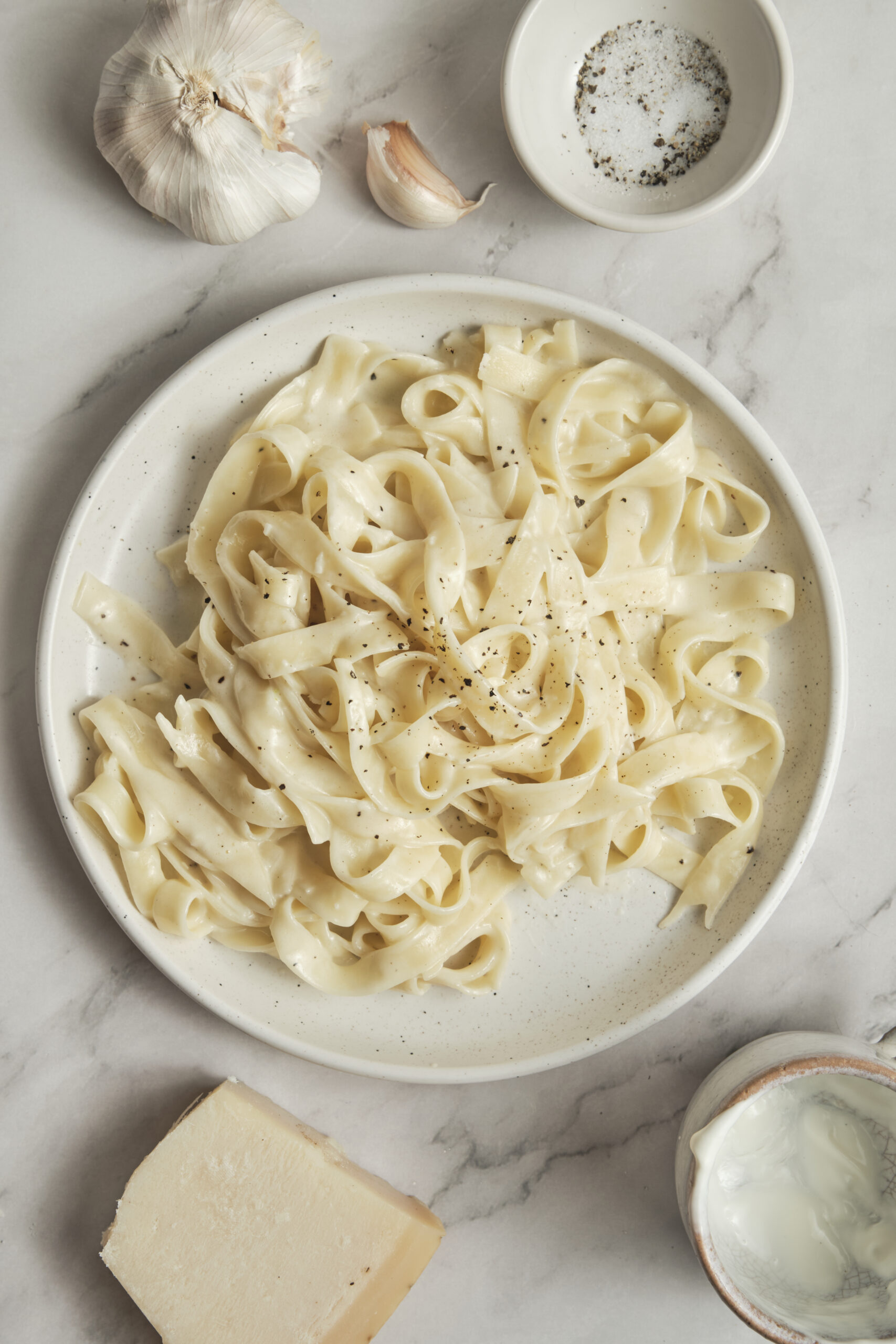
Fettuccine Alfredo Recipe
Ingredients
Method
- Bring a large pot of water to a boil and season it generously with salt. Cook the fettuccine until al dente, according to the package instructions. Before draining, reserve about 1 cup of the pasta water, then drain the pasta.
- While the pasta cooks, place a wide pan over medium-low heat and melt the butter gently. Once melted, add the grated garlic and heavy cream. Stir to combine, allowing it to warm through and come to a gentle simmer.
- Add half of the grated Parmesan to the cream and stir continuously until fully melted and smooth. Let the sauce simmer gently for 2–3 minutes to slightly thicken and develop flavor.
- Add the drained fettuccine directly into the pan and toss gently so the pasta is evenly coated in the sauce.
- Lower the heat and add the remaining Parmesan gradually, tossing continuously to create a smooth, creamy texture.
- Adjust the consistency with a splash of reserved pasta water if needed, until the sauce becomes silky and coats the pasta perfectly.
- Season with freshly ground black pepper and taste, adjusting with a little salt if needed.
- Serve immediately, finished with extra Parmesan and black pepper, while the sauce is at its best—smooth, glossy, and creamy.
Notes
- Use gentle heat:
Keep the sauce at a low to medium-low temperature to prevent the cream from separating and the cheese from clumping. - Add Parmesan in stages:
Incorporating half into the sauce first builds a smooth base, while the rest helps finish and balance the texture. - Reserve pasta water:
This is your key tool to adjust the consistency—add it gradually to achieve a silky, well-coated sauce.