

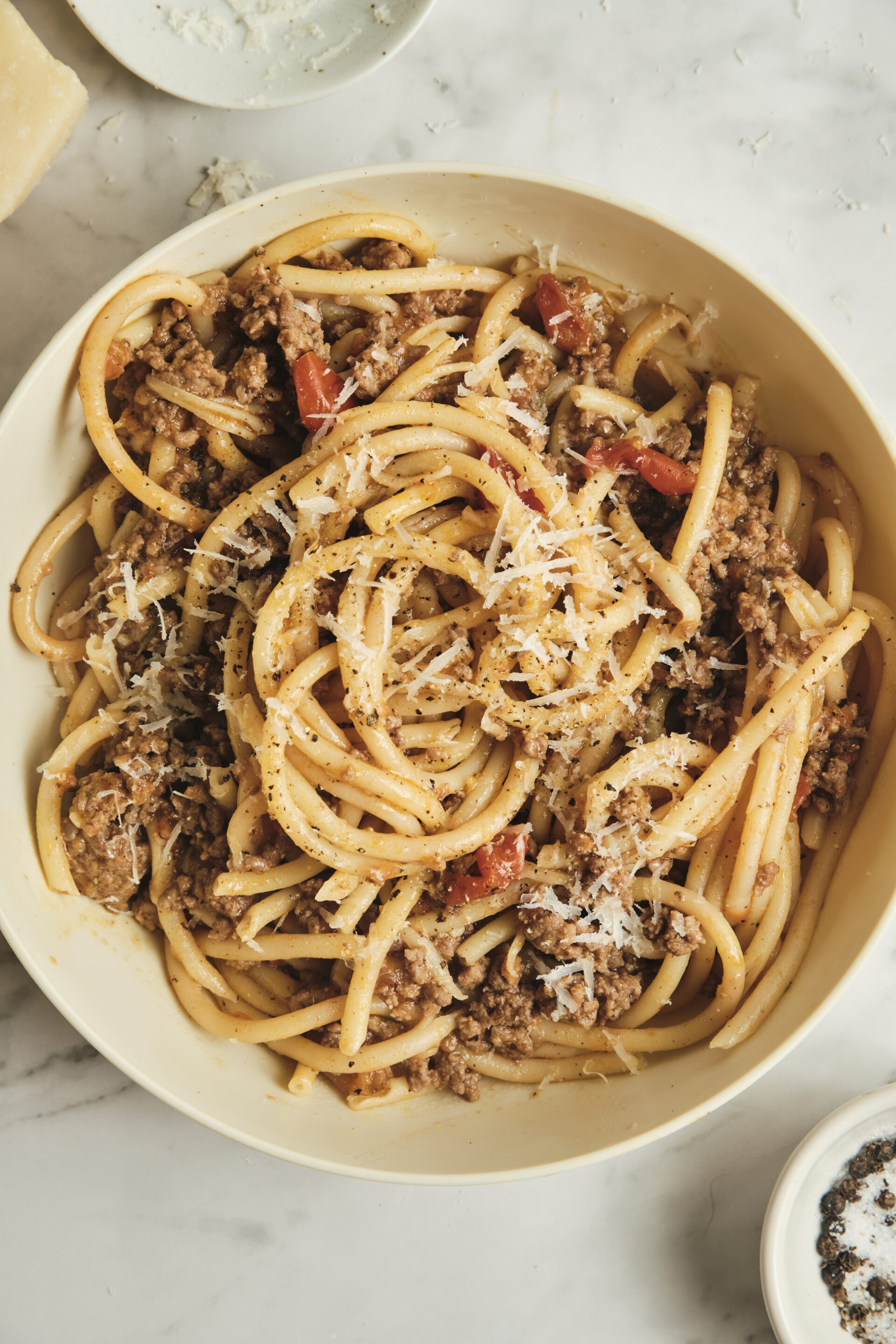
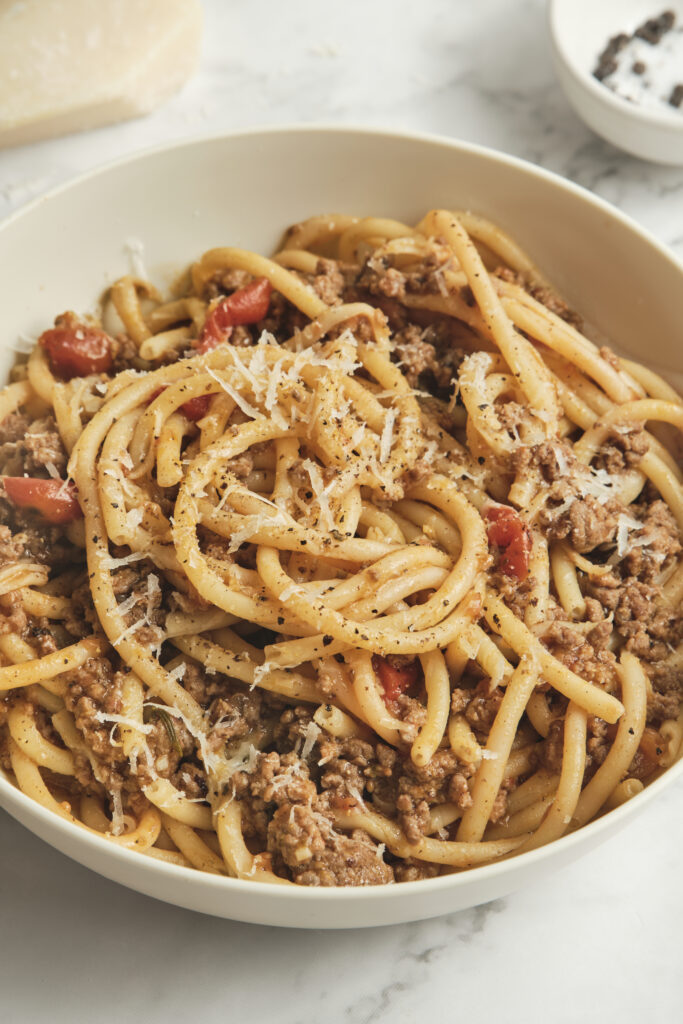
Easy Sausage Ragù Pasta – A Flavorful Favorite for Pasta Dinners and Quick Dinner Ideas
There’s something deeply comforting about a good sausage ragù pasta. It’s one of those pasta dishes that feels rich and slow-cooked, yet comes together with surprising ease. If you’re looking for sausage pasta recipes that deliver big flavor without spending hours in the kitchen, this one fits perfectly into your rotation of reliable pasta dinner ideas.
This recipe is all about balance. A gently simmered tomato base, good-quality sausage, and a few simple aromatics create a sauce that feels layered and full, without becoming heavy. It’s the kind of dish that works just as well for relaxed pasta dinners during the week as it does when you want something a little more special, without overthinking it.
If you’re collecting quick dinner ideas that still feel intentional and well put together, this sausage ragù pasta is one to keep close. Simple ingredients, clean flavors, and a result that looks as good as it tastes.
Why you’ll love this Simple Sausage Ragù Pasta
Rich flavor, minimal effort
It tastes like it’s been simmering for hours. But it comes together in under 40 minutes.
Simple ingredients, done right
Good sausage. A clean tomato base. A few aromatics. That’s all it needs.
Light, not heavy
The sauce is rich, but balanced. It coats the pasta without weighing it down.
Perfect for weeknights
An easy go-to when you want something comforting but still refined.
Reliable and repeatable
One of those pasta dinner ideas you’ll come back to without thinking twice.
Key ingredients for Simple Sausage Ragù Pasta
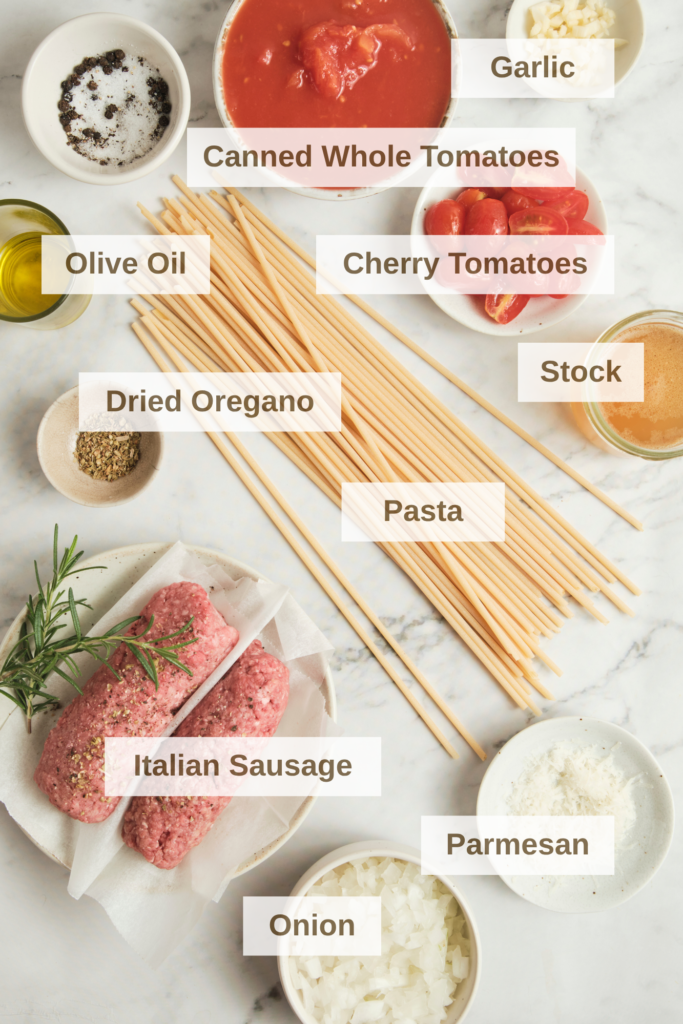
Italian sausage
This is where the depth comes from. Go for a good-quality sausage with enough fat—it carries flavor into the sauce. Remove the casing and break it up gently in the pan so you get a mix of crispy edges and softer pieces.
Canned whole tomatoes
Always choose whole peeled tomatoes over pre-crushed. They have a cleaner taste and better texture. Crush them by hand or with a spoon for a more natural, slightly rustic sauce.
Cherry tomatoes
They bring freshness and a subtle sweetness. Add them early so they soften and burst into the sauce, creating small pockets of brightness that lift the richness of the ragù.
Garlic
Keep it simple and don’t overdo it. Gently cook it in the fat from the sausage until fragrant, not browned. That’s how you build a soft, rounded base instead of sharpness.
Onion
This is your foundation. Finely chop and cook it slowly until soft and slightly sweet. It should melt into the sauce rather than stand out.
Olive oil
Use it to start the base and to finish the dish. A small drizzle at the end brings everything together and adds a clean, silky finish.
Pasta
Choose a shape that holds the sauce well—rigatoni, buccatini, or tagliatelle work beautifully. Cook it just shy of al dente, then finish it in the sauce so it absorbs flavor.
Oregano & rosemary
Use them with intention. Oregano brings warmth and a slightly peppery note, while rosemary adds depth and a subtle pine-like aroma. Keep both restrained so they support the sauce without overpowering it.
Parmesan
Not just a topping. Finely grate it so it melts into the pasta slightly. It adds saltiness, depth, and that final layer of richness.
Variations & substitutions
Swap the sausage
You can use chicken or turkey sausage for a lighter version. It will be a bit leaner, so add a touch more olive oil to keep the sauce round and balanced.
Make it a bit spicy
If you like heat, go for spicy Italian sausage or add a pinch of chili flakes when cooking the garlic. Keep it subtle—it should support, not dominate.
Different pasta shapes
Use what you have. Short pasta like rigatoni or penne holds the sauce well, while long pasta like tagliatelle gives a more elegant feel.
Add a touch of cream
For a softer, more rounded finish, stir in a small splash of cream at the end. It mellows the acidity and creates a silkier texture.
How to make Sausage Ragù pasta
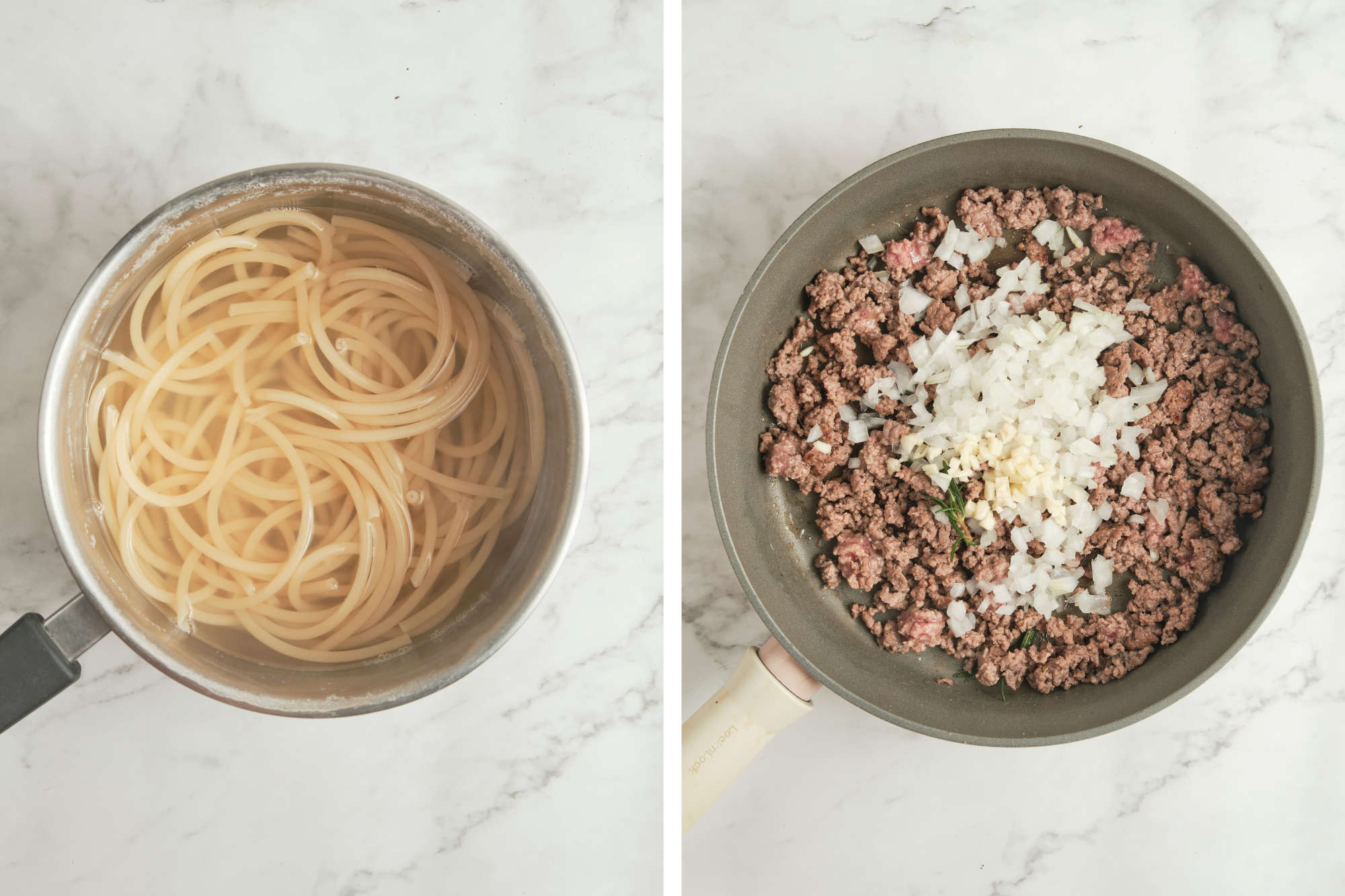
Take a look at the step-by-step photos below for a visual guide to the process. You’ll find the complete written recipe along with helpful tips in the recipe card further down the page.
Cook the pasta
Bring a large pot of well-salted water to a boil—it should taste like the sea. Cook the pasta just shy of al dente, as it will finish in the sauce. Reserve a cup of pasta water before draining.
Brown the sausage with rosemary
Heat a wide pan over medium heat with a drizzle of olive oil. Add the sausage and a small sprig of rosemary. Break it up gently, but don’t rush it—let it develop color. Those caramelized edges are where the depth comes from.
Season the base
Add a pinch of salt and pepper early on. Not too much—just enough to start building layers of flavor from the beginning.
Add onion
Stir in the finely chopped onion or shallot. Lower the heat slightly and cook until soft and lightly sweet. It should blend into the sausage, not sit on top of it.
Add tomatoes
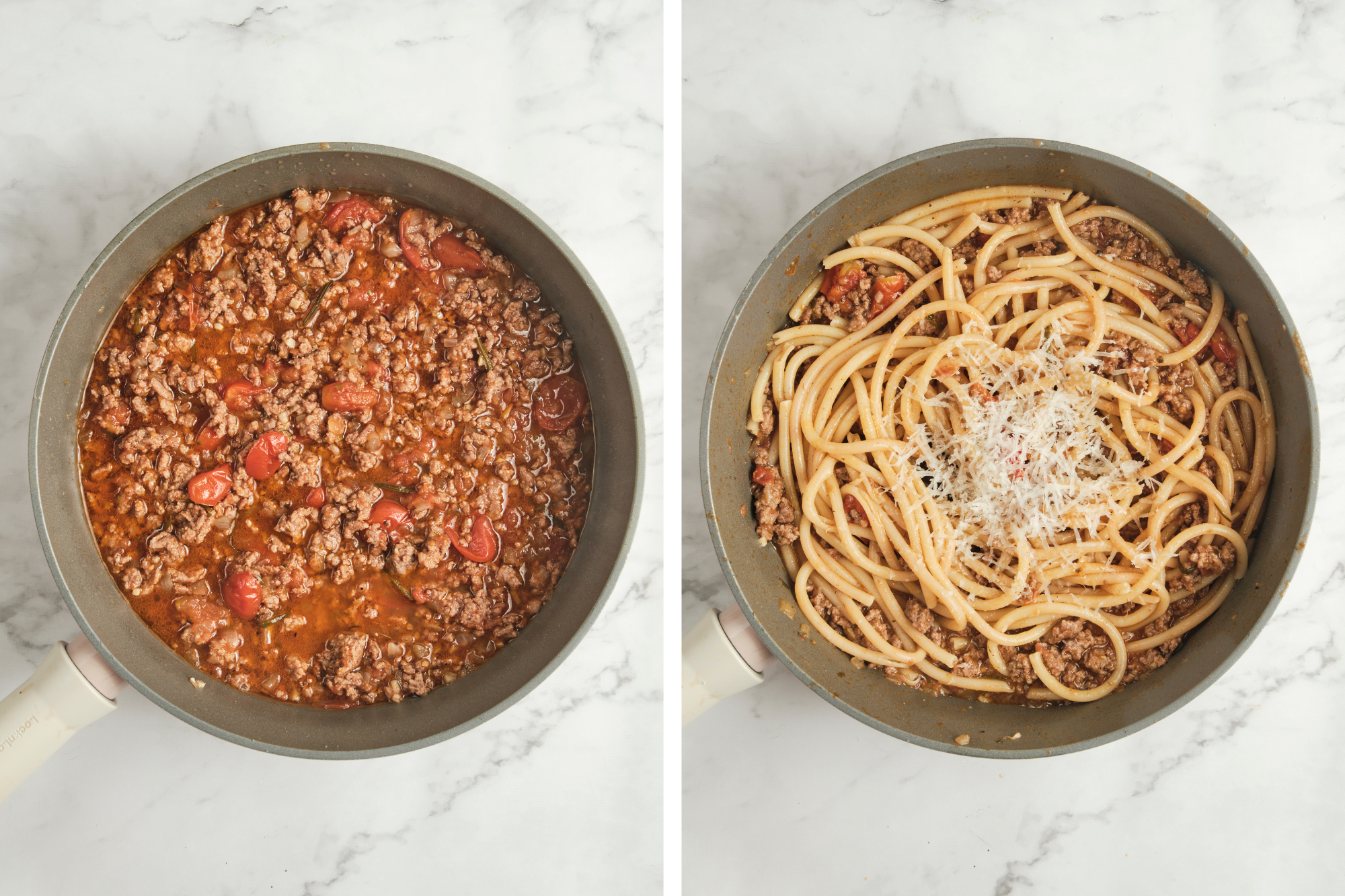
Pour in the crushed whole tomatoes and add the cherry tomatoes. Gently break them up as they cook, keeping a bit of texture for a more natural, less uniform sauce.
Add stock
Add a small splash of stock to loosen everything. You’re looking for a sauce that simmers lightly, not something thick or heavy.
Simmer slowly
Let the ragù cook on low heat for 15–20 minutes. Stir occasionally. This is where the flavors settle and come together.
Add pasta
Transfer the pasta straight into the sauce. Toss gently over low heat so it absorbs the ragù and finishes cooking evenly.
Finish with parmesan & oregano
Add finely grated parmesan and a pinch of dried oregano. Toss until the sauce coats the pasta smoothly. Use a little reserved pasta water if needed to bring it all together.
From my Kitchen (Chef’s Tips)
Let the sausage properly caramelize
This is where the dish really starts. Don’t rush it, and don’t stir too much in the beginning. Let the sausage sit and develop deep golden edges before breaking it up further. That caramelization builds the foundation of the entire ragù—without it, the sauce will feel flat.
Keep the ragù loose and balanced
A good ragù isn’t thick or heavy. It should gently coat the pasta, not sit on it. Use a splash of stock while simmering, and adjust with reserved pasta water at the end. You’re aiming for a silky, fluid sauce that moves with the pasta.
Finish the pasta in the sauce
This step brings everything together. Transfer the pasta slightly undercooked directly into the ragù and let it finish there for a minute or two. It absorbs the sauce, the starch helps bind everything, and the result feels cohesive rather than separate.
How to serve & store
Serving – keep it simple, but intentional
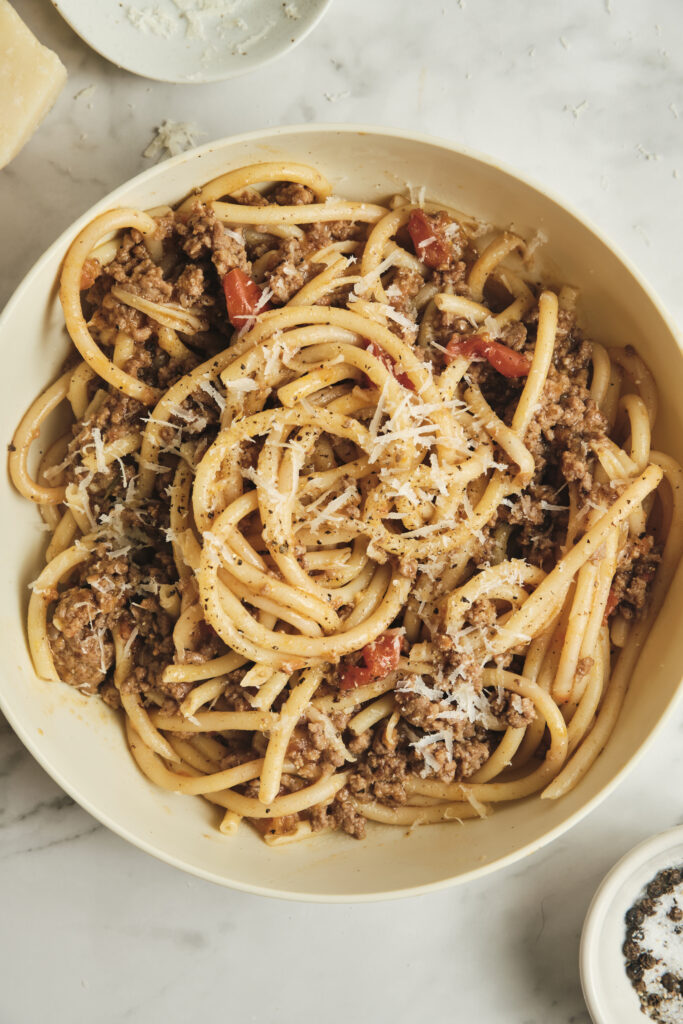
Serve the pasta straight from the pan while it’s still glossy and fluid. Use tongs to gently lift and twist it into the bowl—it creates height and keeps the texture light. Finish with finely grated parmesan and, if you like, a small drizzle of good olive oil. This dish doesn’t need much else. Maybe a simple green salad on the side, but the focus should stay on the pasta.
Storing – let it cool, then keep it airtight
If you have leftovers, let the pasta cool completely before storing. Transfer it to an airtight container and refrigerate for up to 2–3 days. The sauce will thicken as it sits, which is completely normal.
Reheating – bring it back to life gently
Reheat slowly in a pan over medium-low heat. Add a splash of water or stock to loosen the sauce and bring back that silky texture. Avoid the microwave if you can—it tends to dry it out and flatten the flavors.
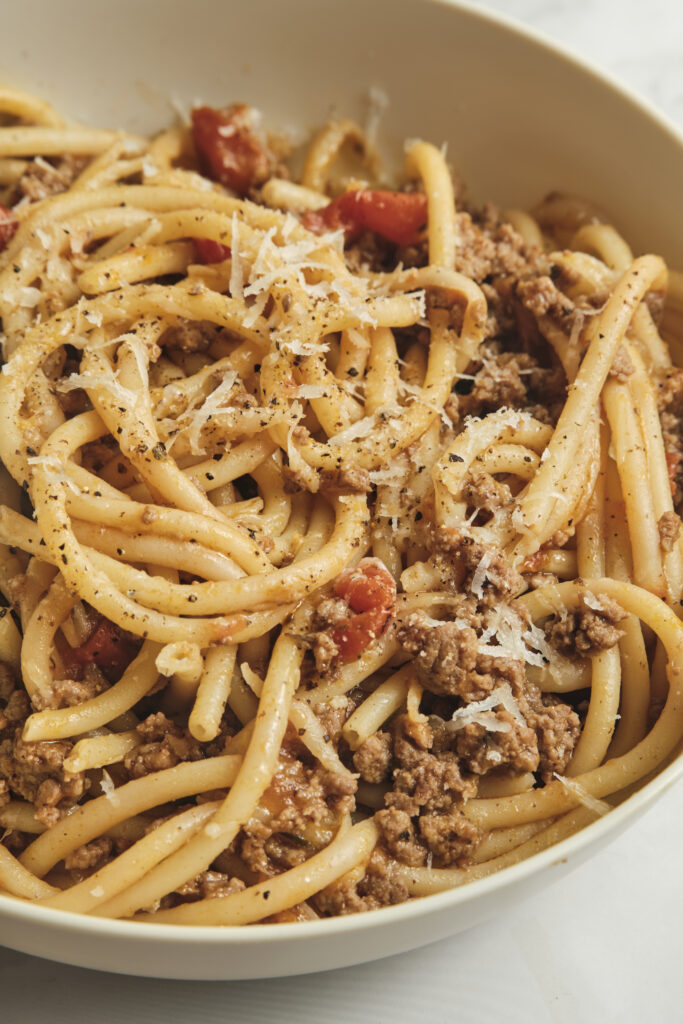
A good sausage ragù pasta is one of those dishes that quietly earns a place in your kitchen. It’s simple, built on technique, and full of depth without being complicated. Once you understand how to build flavor and finish it properly, it becomes a reliable go-to among your favorite sausage pasta recipes. Whether you’re cooking a relaxed sausage pasta dinner or looking for quick dinner ideas that still feel considered, this dish delivers every time.
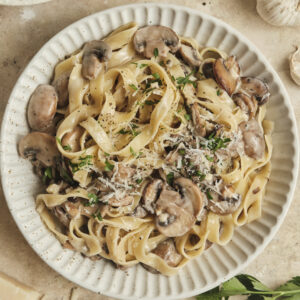
If you enjoy this style of cooking, it pairs naturally with other classics like a creamy mushroom pasta or an authentic beef bolognese—different expressions, but the same foundation. You can keep it traditional or adapt it into a more rustic ground sausage pasta, or even a one pot sausage pasta for ease. It always comes back to the same principle: good ingredients, treated with care, and brought together with intention.
Other Pasta Recipes to Try
If you enjoy this sausage ragù pasta, there are a few other dishes in a similar spirit that are worth exploring.
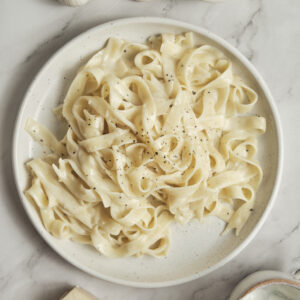
A creamy chicken pesto pasta is a great next step if you’re after something a bit lighter and more herb-driven, with a soft, rounded sauce that comes together just as easily. For something more classic and indulgent, a fettuccine alfredo leans into simplicity—just a few ingredients, but all about technique and balance.
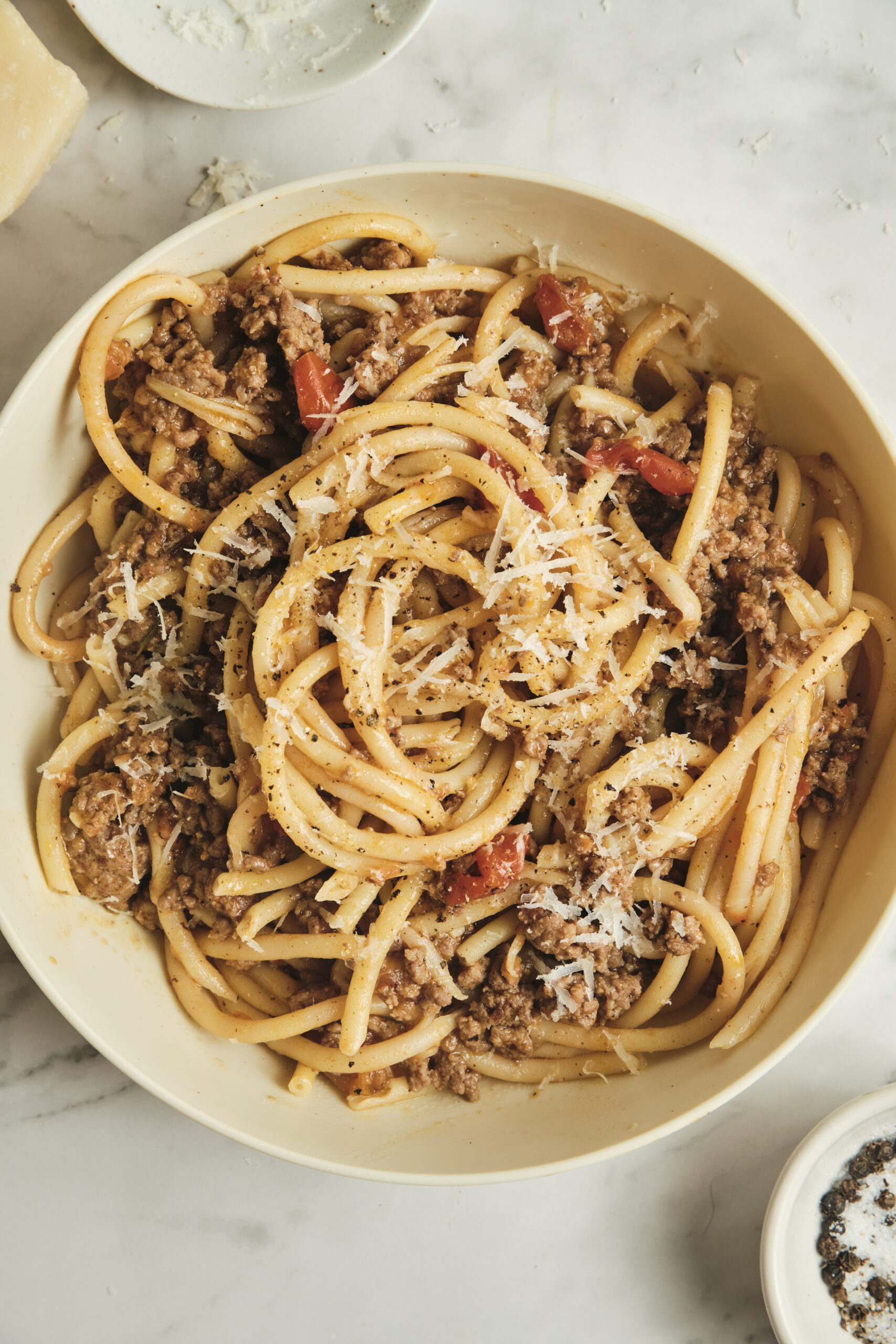
Simple Sausage Ragù Pasta
Ingredients
Equipment
Method
- Bring a large pot of salted water to a boil and cook the pasta until almost al dente. Reserve some pasta water, then drain.
- Heat olive oil in a wide pan over medium heat. Add the sausage with a sprig of rosemary, breaking it up gently and letting it brown properly to develop flavor.
- Season lightly with salt and pepper, then add the chopped onion. Cook until soft and slightly sweet, allowing it to blend into the base.
- Add the crushed tomatoes and cherry tomatoes, stirring gently and letting them soften and break down while keeping some texture.
- Pour in a small splash of stock to loosen the sauce, then let it simmer gently for 15–20 minutes until slightly reduced and balanced.
- Add the drained pasta directly to the sauce and toss over low heat so it absorbs the flavors and finishes cooking.
- Stir in grated parmesan and a pinch of dried oregano. Adjust the consistency with a little reserved pasta water if needed, then serve immediately.
Notes
- Brown the sausage properly
Let it develop deep color before stirring too much. This is where the main flavor comes from. - Keep the sauce loose
Use a splash of stock or pasta water to maintain a silky consistency that coats the pasta, not weighs it down. - Finish pasta in the sauce
Always combine the pasta with the ragù at the end so it absorbs the flavor and comes together as one dish.